In today's fast-paced logistics environment, optimizing 4-Way Shuttle Storage is crucial. Industry expert Dr. Sarah Mitchell, a leading figure in warehouse automation, stated, "Efficiency in storage systems directly impacts overall productivity." Her insights highlight the importance of fine-tuning these systems.
4-Way Shuttle Storage systems provide flexibility and increased storage density. However, many facilities still underutilize their full potential. Efficient design and operation require a deep understanding of the specific needs of your warehouse. Companies often neglect regular audits and adjustments, leading to inefficiencies.
Moreover, integrating real-time data analytics can significantly enhance performance. Many organizations underestimate the difference that data-driven decisions can make. This oversight can stall progress and waste resources. Embracing these improvements is vital for staying competitive in the logistics sector.
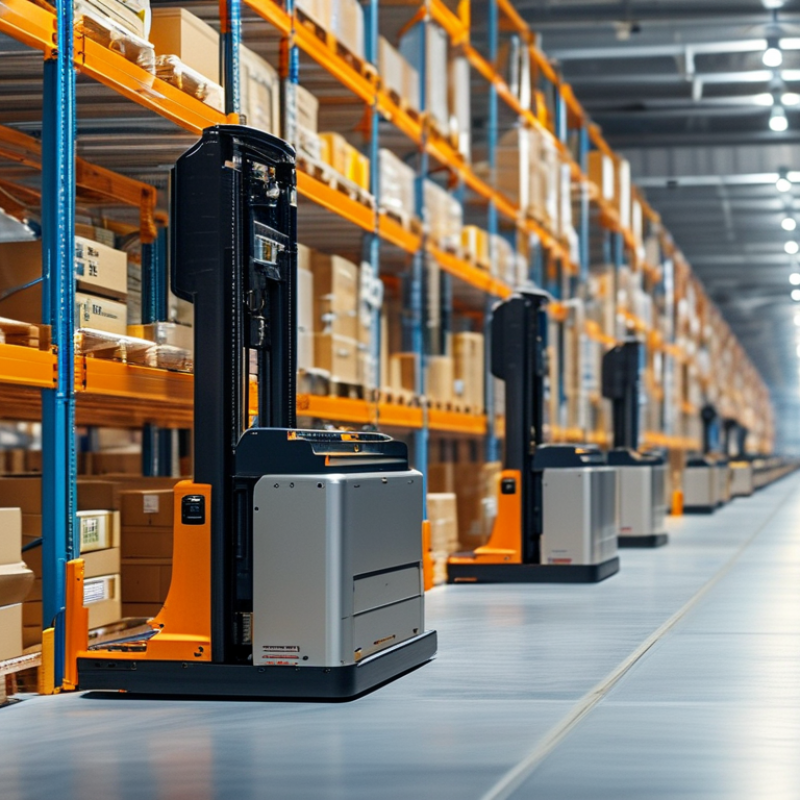
4-way shuttle storage systems are revolutionizing how warehouses and distribution centers operate. These systems efficiently manage inventory by utilizing a unique design that allows movement in multiple directions. This flexibility improves space utilization by up to 60%, according to industry reports. Efficient shuttles can handle various load sizes, accommodating diverse inventory needs.
Key components of a 4-way shuttle system include shuttles, rack structures, and control software. The shuttles are equipped with precise navigation systems, enabling them to travel horizontally and vertically. This dual capability reduces the need for additional space and minimizes travel time. A study by Logistics Management shows that automated systems can cut operational costs by 15% to 30%. This data underscores the importance of investing in such technologies.
Despite their advantages, challenges persist. Integrating these systems with existing infrastructures can be problematic. Additionally, the initial setup costs are significant, which may deter some operators. Careful analysis is necessary to weigh the long-term benefits against these upfront challenges. Continuous training and maintenance are critical for optimal performance. Therefore, assessing the specific needs of the operation is vital for successful implementation.
In 4-way shuttle operations, measuring efficiency is crucial for optimizing storage solutions. Current metrics often focus on throughput, order picking speed, and space utilization. However, many facilities operate below their potential. According to a recent industry report, only 30% of warehouses achieve optimal throughput levels in such systems. This highlights a significant opportunity for improvement.
Assessing current efficiency metrics involves looking at downtime and operational delays. Analyzing cycle times can reveal bottlenecks in the process. For example, a study found that excessive waiting times contribute to a 20% drop in overall performance. By reducing idle time through better scheduling and real-time monitoring, organizations can elevate efficiency significantly.
Additionally, technology integration plays a pivotal role in enhancing operations. Automation tools can streamline workflows, but they often require upfront investment. A report indicated that implementing automated systems improved storage retrieval times by 15%. However, not all facilities have adapted quickly to this trend, suggesting room for reflection on current practices and investment strategies.
Optimizing space utilization in 4-way shuttle storage can significantly boost overall efficiency in warehouses. Maximizing vertical space is crucial. Consider adjusting shelving heights to allow for a more diverse range of items. This can create multiple layers of storage, rather than just a flat layout. Regularly reviewing inventory levels helps identify slow-moving items. This insight can guide better utilization of space.
Integrating advanced technology also plays a key role. Warehouse management systems can provide real-time data. This ensures that space is allocated based on actual needs. However, it’s essential to balance this with human input. Technology should enhance decision-making, not replace it. Conducting regular audits is another important step. This process helps identify underperforming areas. Space can be reassigned based on current storage requirements.
Employee training is often overlooked but is equally important. Well-trained staff can make better decisions regarding storage organization. Encouraging team feedback can shine a light on areas that may need improvement. Simplifying operational workflows can further enhance space efficiency. Sometimes, the simplest changes make the biggest difference.
In modern logistics, optimizing 4-way shuttle storage requires incorporating cutting-edge technology. Enhanced control and monitoring systems play a critical role in this process. These systems use sensors and real-time data analytics to track inventory levels. When items are stored or retrieved, updates occur instantly. This immediate feedback helps prevent stock discrepancies, ensuring accuracy in operations.
However, technology implementation is not without challenges. Many operators struggle with integration. Legacy systems often complicate the transition to more advanced setups. Training personnel on new technologies can also be difficult. This creates a gap in utilization. Even the best systems fail if users cannot leverage their capabilities. Addressing these issues is vital for success.
Investing in reliability is key. Surveillance systems and automated monitoring tools can drastically enhance security. Regular audits and system checks are essential. They help in recognizing weak points in the storage process. Engaging staff for their insights can uncover practical improvements. Reflecting on these experiences equips organizations with better strategies for future enhancements.
Training staff effectively is essential for managing 4-way shuttle systems. Employees should understand the core concepts of this technology. Knowledge of system operations allows them to navigate challenges with confidence. Staff need the ability to troubleshoot when issues arise. Regular training sessions can reinforce these skills and build team cohesion.
Hands-on experience is invaluable. Staff should engage in simulations that closely mimic real-world scenarios. This practice helps in developing problem-solving skills. Additionally, encouraging feedback during training fosters a culture of continuous improvement. Regular assessments can highlight areas needing attention.
Management should also prioritize continuous learning. New technologies and methods can enhance efficiency. Providing access to updated resources is vital. Employees should feel encouraged to pursue knowledge independently. Reflecting on past experiences will help teams grow. Emphasizing adaptation can lead to long-term success in managing 4-way shuttle systems.
: These systems manage inventory in warehouses. They allow movement in multiple directions, improving space utilization.
Reports indicate they can improve space utilization by up to 60%. This significantly boosts overall efficiency in storage.
Essential components include shuttles, rack structures, and control software. Each plays a crucial role in system operation.
Well-trained staff can navigate challenges better. Their knowledge helps troubleshoot issues efficiently, ensuring smooth operations.
Integration with existing structures can be difficult. High initial setup costs may also discourage some operators from investing.
Adjusting shelving heights and conducting regular audits can improve space. Technology should support, not replace, human decision-making.
Encouraging team feedback fosters improvement. It helps identify areas needing attention and engages employees in the process.
Simulations mimic real-world situations and develop problem-solving skills. This practical approach enhances confidence and effectiveness.
Providing access to updated resources and encouraging independent knowledge pursuit is key. Reflecting on past experiences aids growth.
Emphasizing adaptation can lead to long-term success. Teams must stay updated to manage 4-way shuttle systems efficiently.
The article "2026 How to Optimize 4-Way Shuttle Storage for Efficiency?" delves into the intricacies of 4-Way Shuttle Storage systems, emphasizing their components and operational mechanics. It begins by assessing the current efficiency metrics to identify areas for improvement. By implementing targeted strategies for space utilization, facilities can significantly enhance their storage capacity and streamline operations. Additionally, the integration of technology plays a crucial role in providing better control and monitoring of these systems, ensuring smoother workflows.
Training staff is equally vital, as effective management of 4-Way Shuttle Storage relies on knowledgeable personnel who can navigate and optimize these systems efficiently. By focusing on these key areas, organizations can achieve greater operational efficiency and maximize the benefits of their 4-Way Shuttle Storage solutions, ultimately leading to improved productivity and cost savings.

Lijin Racking