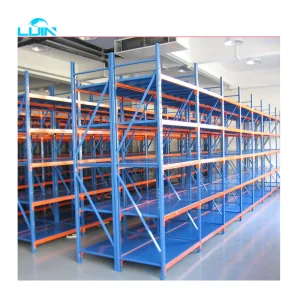
In modern supply chain architectures, the storage layer serves as both a physical buffer and a performance catalyst. For materials that do not require heavy pallet rack structural margins but are too substantial for light-duty shelving, the medium-duty industrial storage rack is the critical equilibrium point.
Medium-duty racking systems, specifically designed for configurations ranging from 300kg to 500kg Uniformly Distributed Load (UDL) per shelf, support high-frequency picking processes, e-commerce sorting hubs, and dynamic manufacturing assembly lines. Selecting the optimal OEM factory guarantees structural calculations, material specifications, and coating technologies that comply with international safety standards, minimizing structural failure hazards and operational delays.
Our structural engineering utilizes Finite Element Analysis (FEA) to simulate load distributions under seismic conditions. By ensuring specific load deflection ratios (such as L/200), we deliver structural integrity that prevents micro-cracks in upright profiles under continuous load stresses.
An elite global partner in heavy-duty and medium-duty warehousing infrastructure design, engineering, and manufacturing.
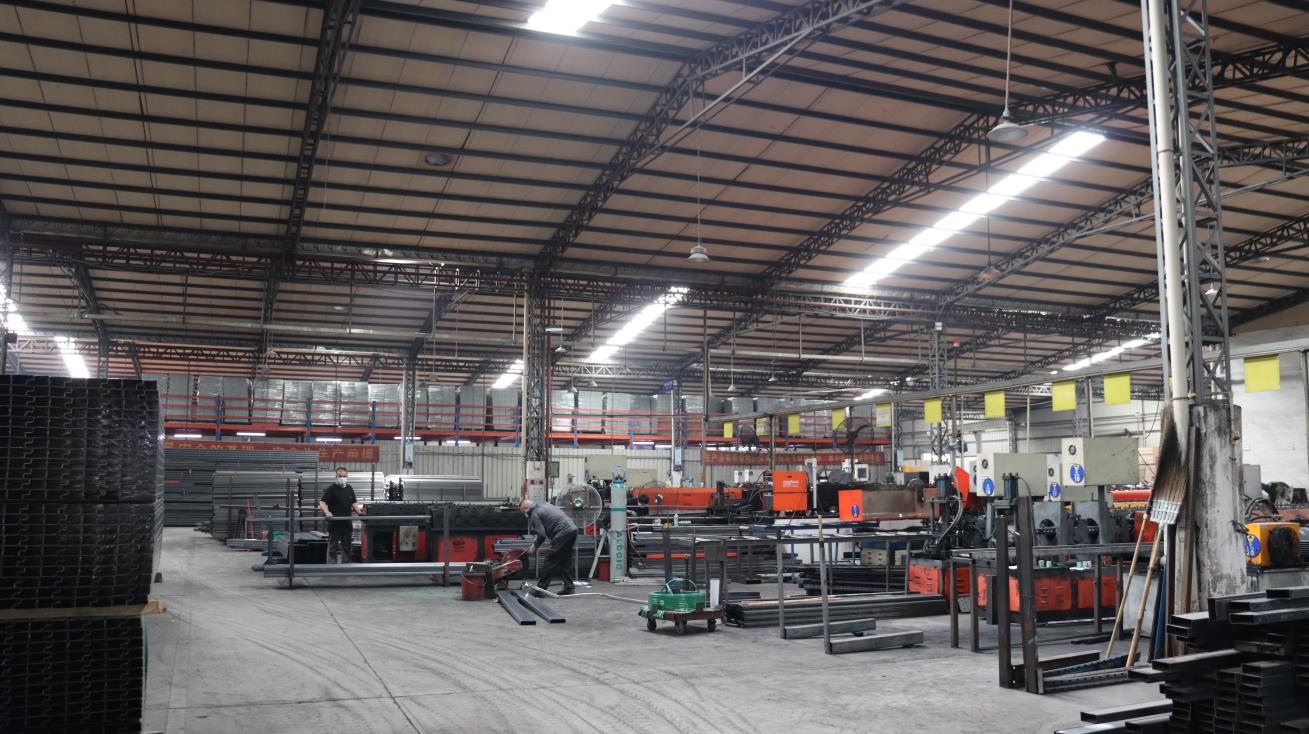
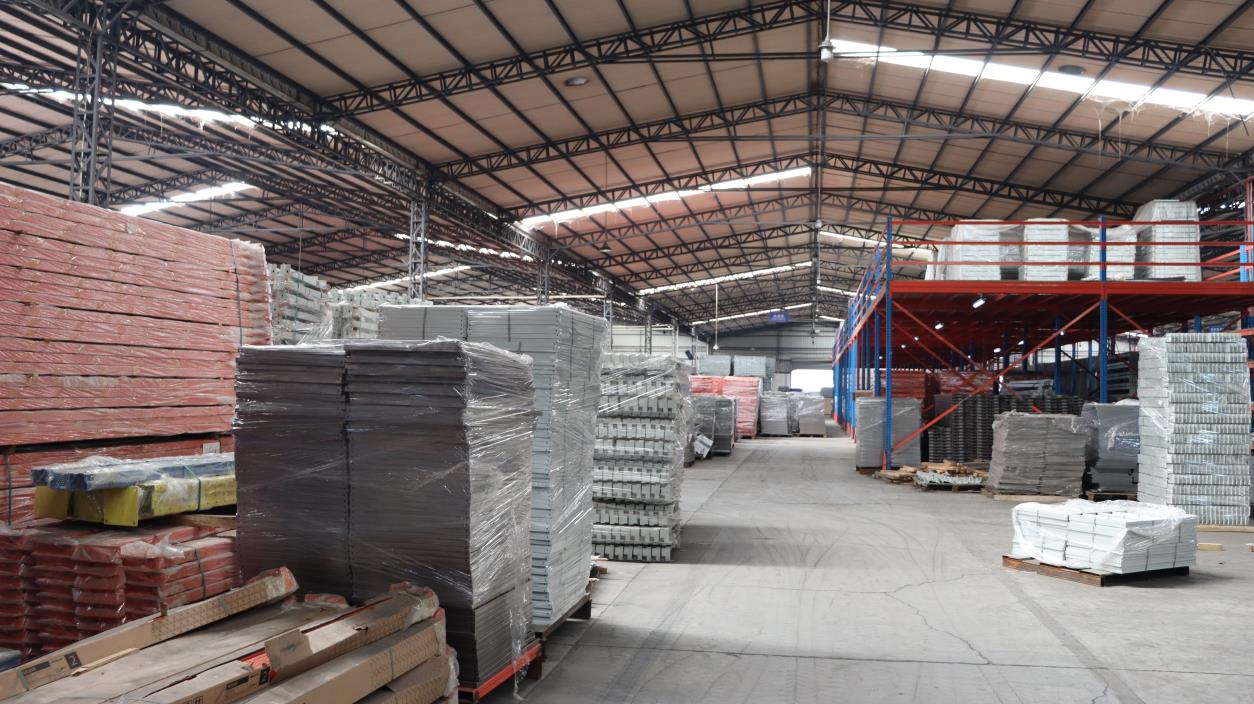
Established in 2015, Shenzhen Lijin Storage Equipment Co., Ltd. is a leading enterprise specializing in the design, manufacturing, and global distribution of heavy-duty warehouse racking systems, automated storage solutions, and industrial shelving. Spanning a state-of-the-art facility of 35,000 m², we have developed into a trusted global supply chain partner with over 8 years of direct export experience and more than 12 years of deep industry expertise. Driven by innovation and quality, our global revenue reached USD 22 million last year.
We enforce a rigorous, multi-stage quality control system—including ultrasonic non-destructive testing, automated weld inspection, laser dimensional checking, and heavy-load endurance testing. Backed by an in-house quality inspection team of 35 dedicated professionals, every batch meets international safety and structural standards, ensuring maximum load-bearing efficiency and long-term stability.
Backed by an experienced international trade background, our core markets span North America, Western Europe, Southeast Asia, and the Middle East. We maintain strong strategic relationships with over 850 supply chain partners globally. Our primary clients include large-scale logistics hubs, commercial distributors, third-party logistics (3PL) providers, and industrial equipment wholesalers.
Supported by a skilled team of 28 R&D engineers, Shenzhen Lijin delivers comprehensive OEM and ODM solutions tailored to unique warehouse layouts, seismic requirements, and capacity needs. Our engineering team launched over 85 new products and dynamic storage configurations last year, continuously setting new standards in space optimization and modern automated storage integration.
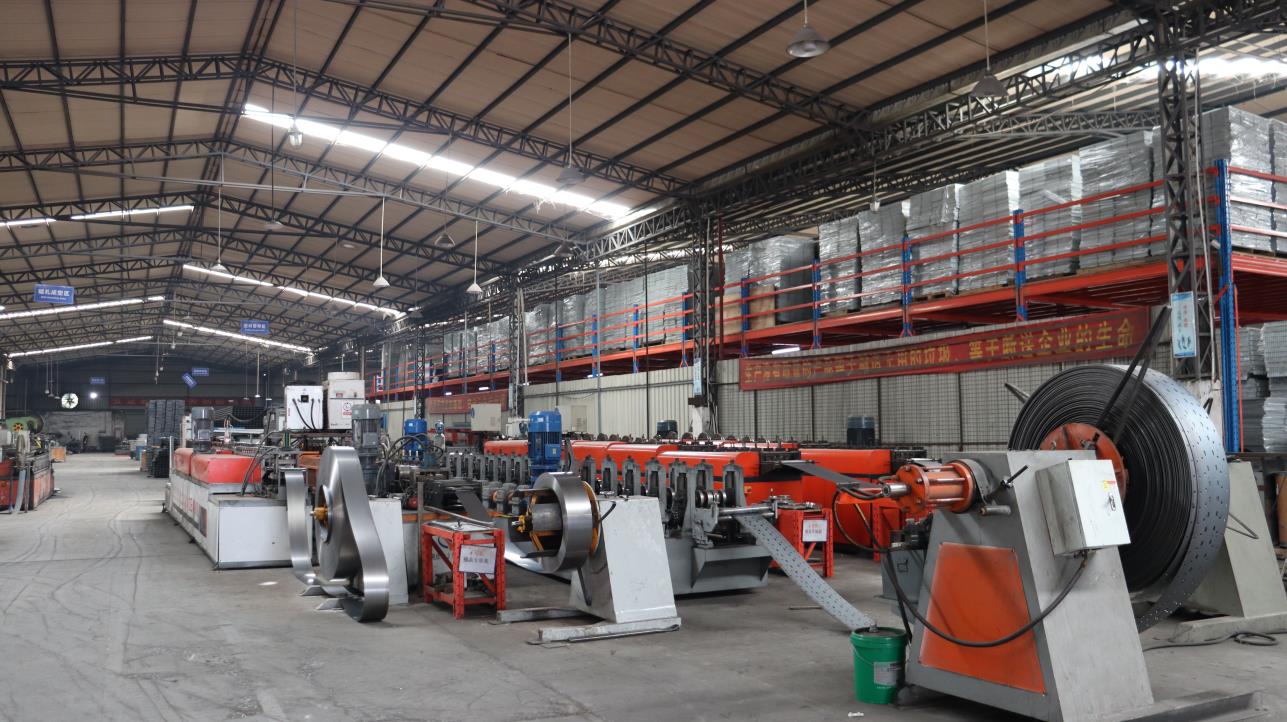
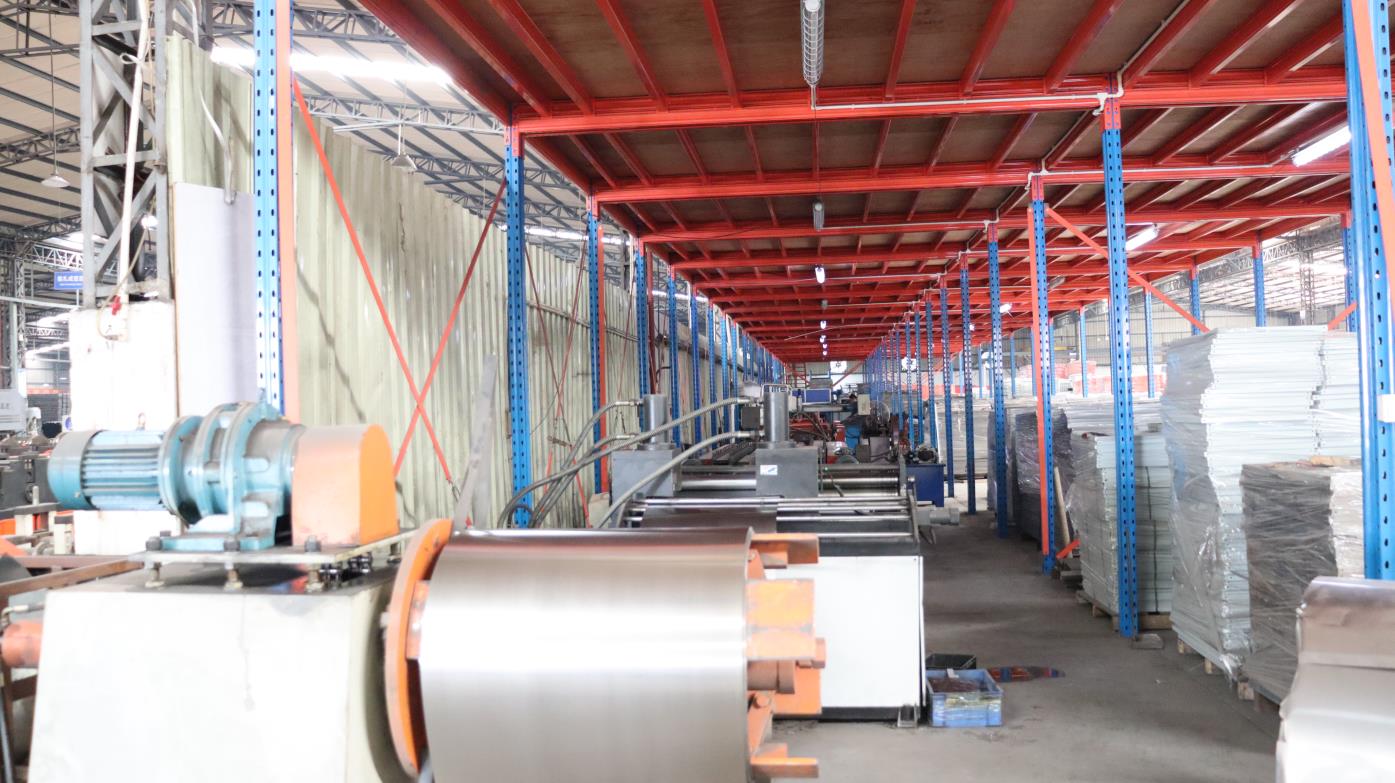
Operating at the intersection of precision fabrication and automated scaling, Shenzhen Lijin translates advanced steel roll forming into high-performance industrial shelving.
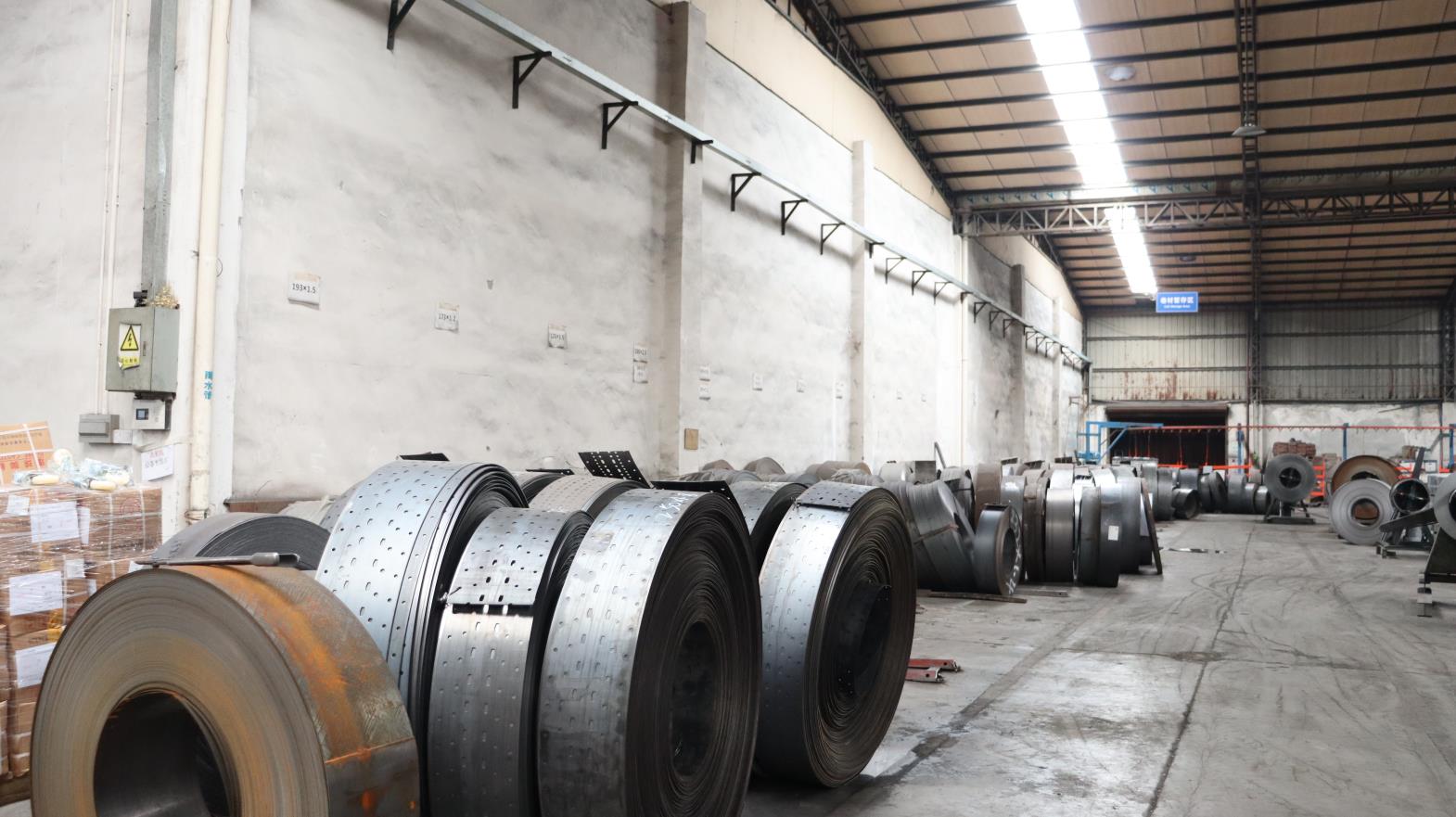
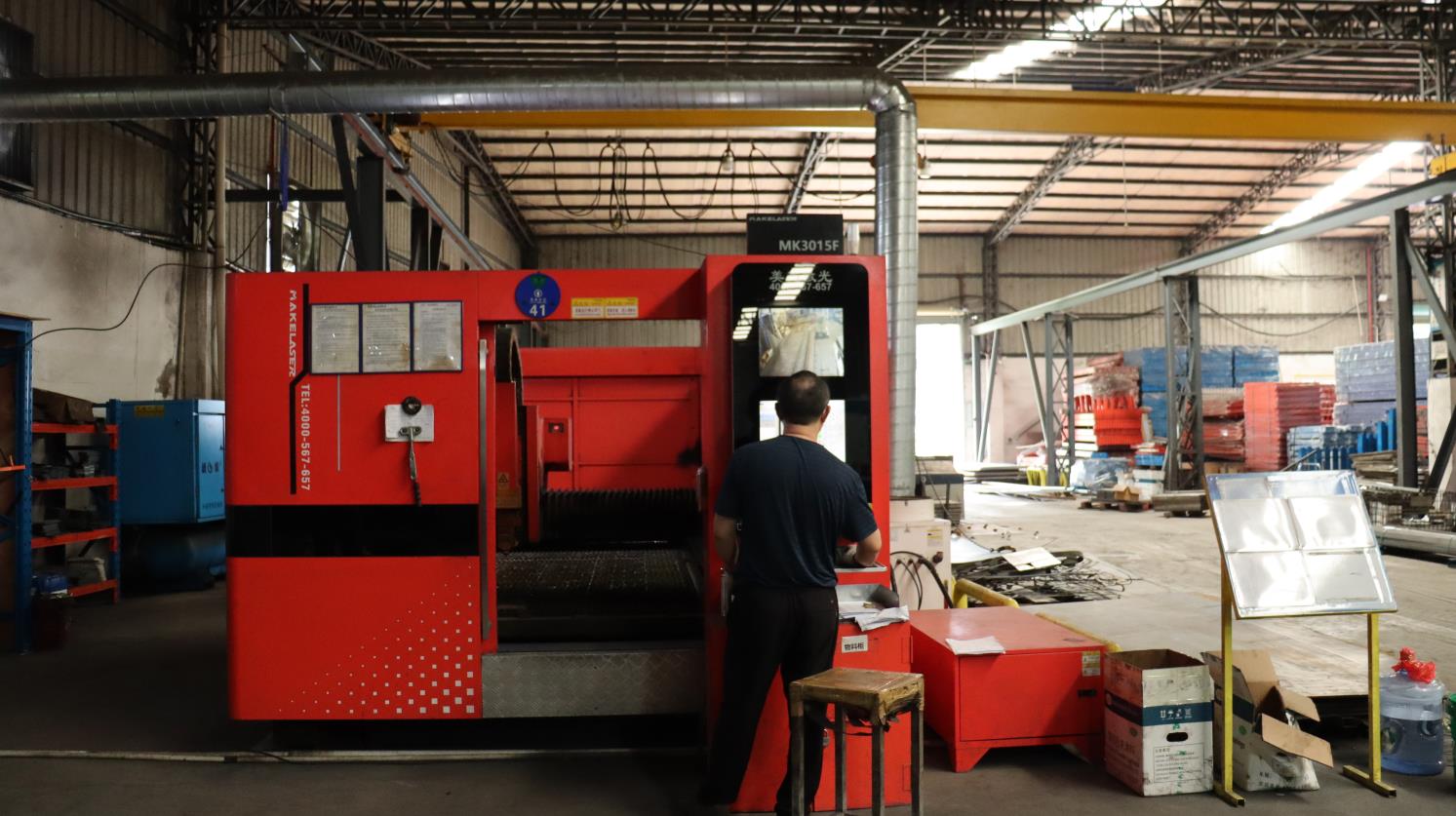
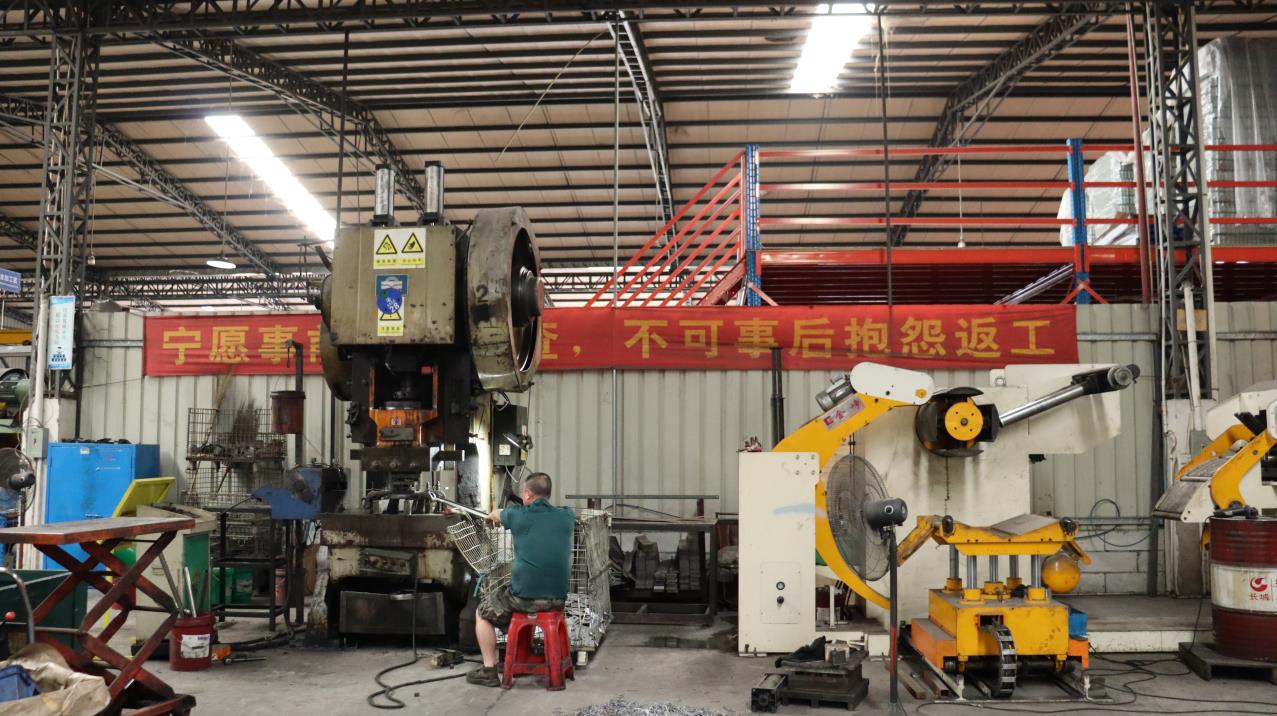
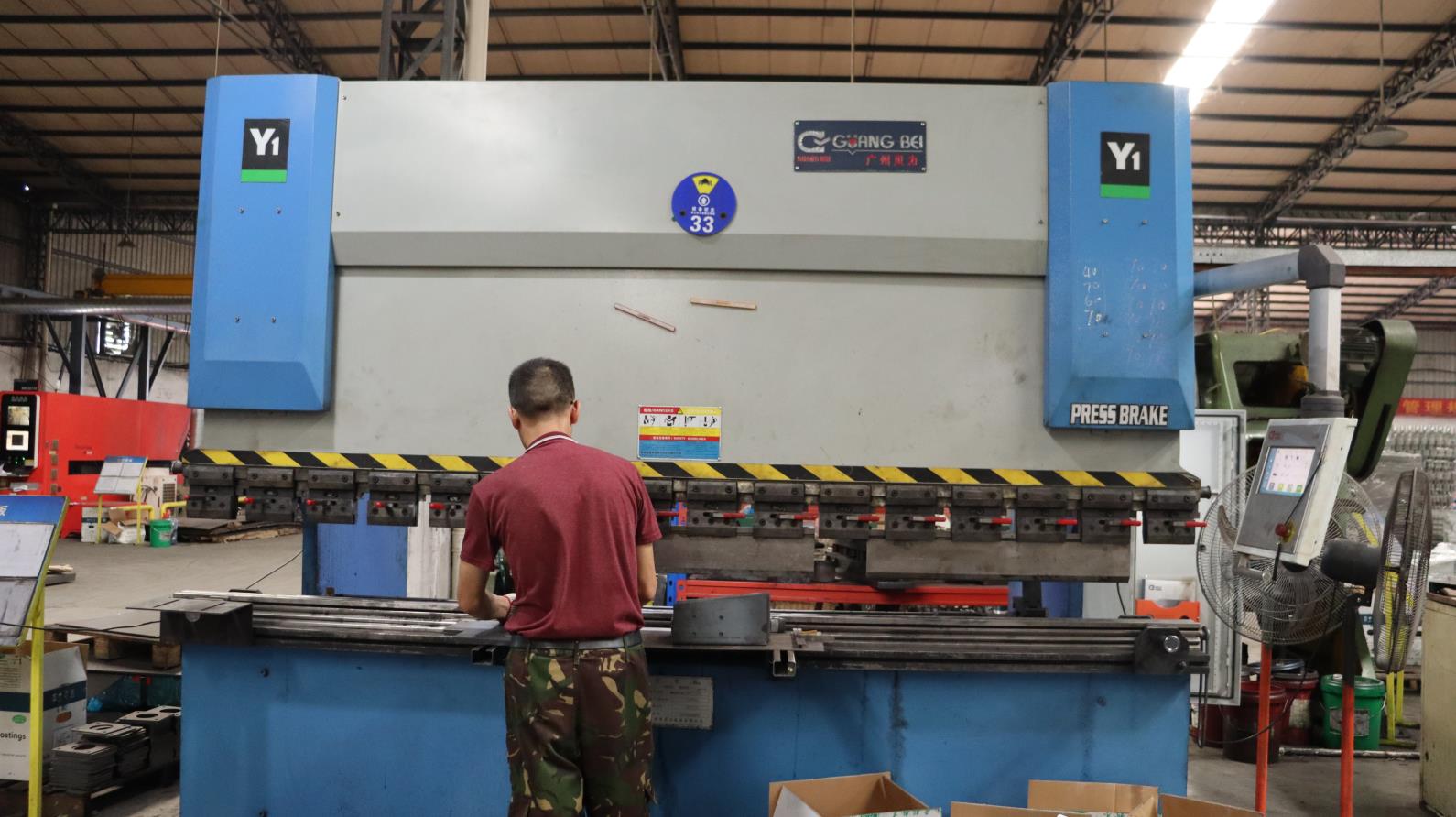
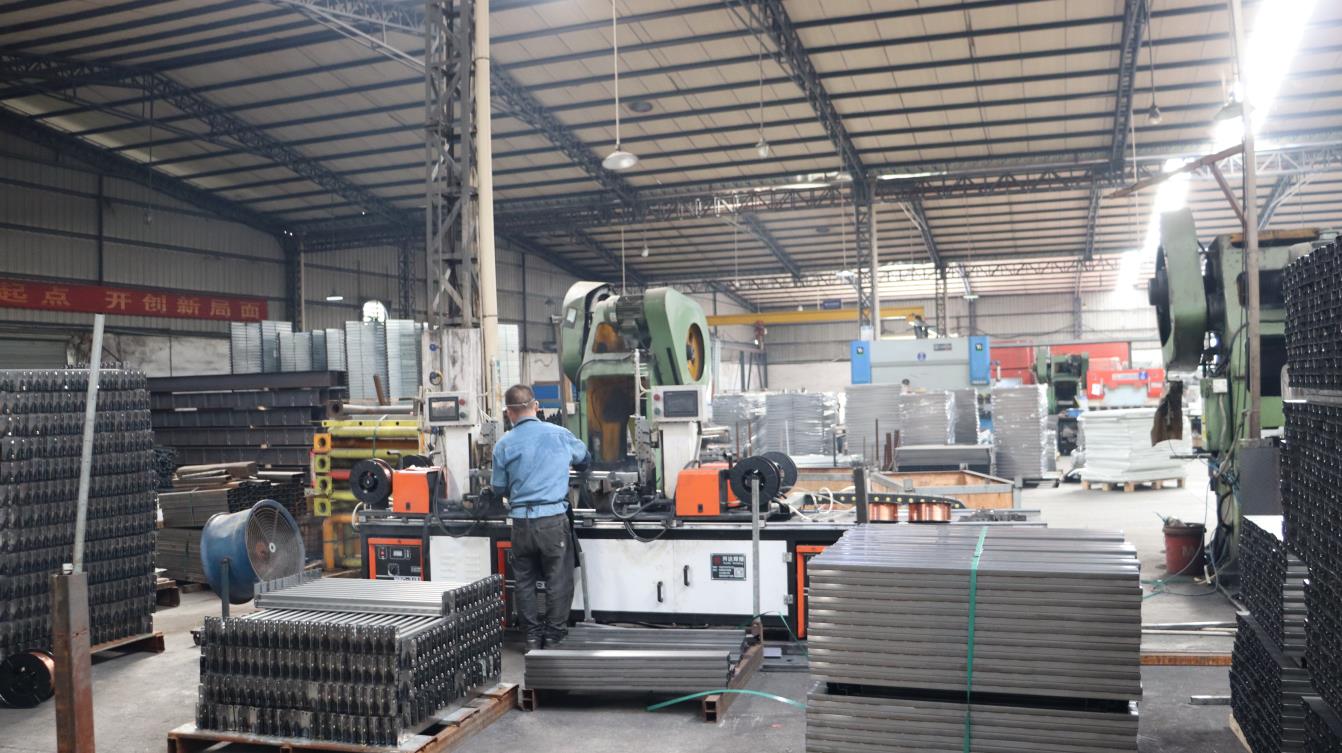
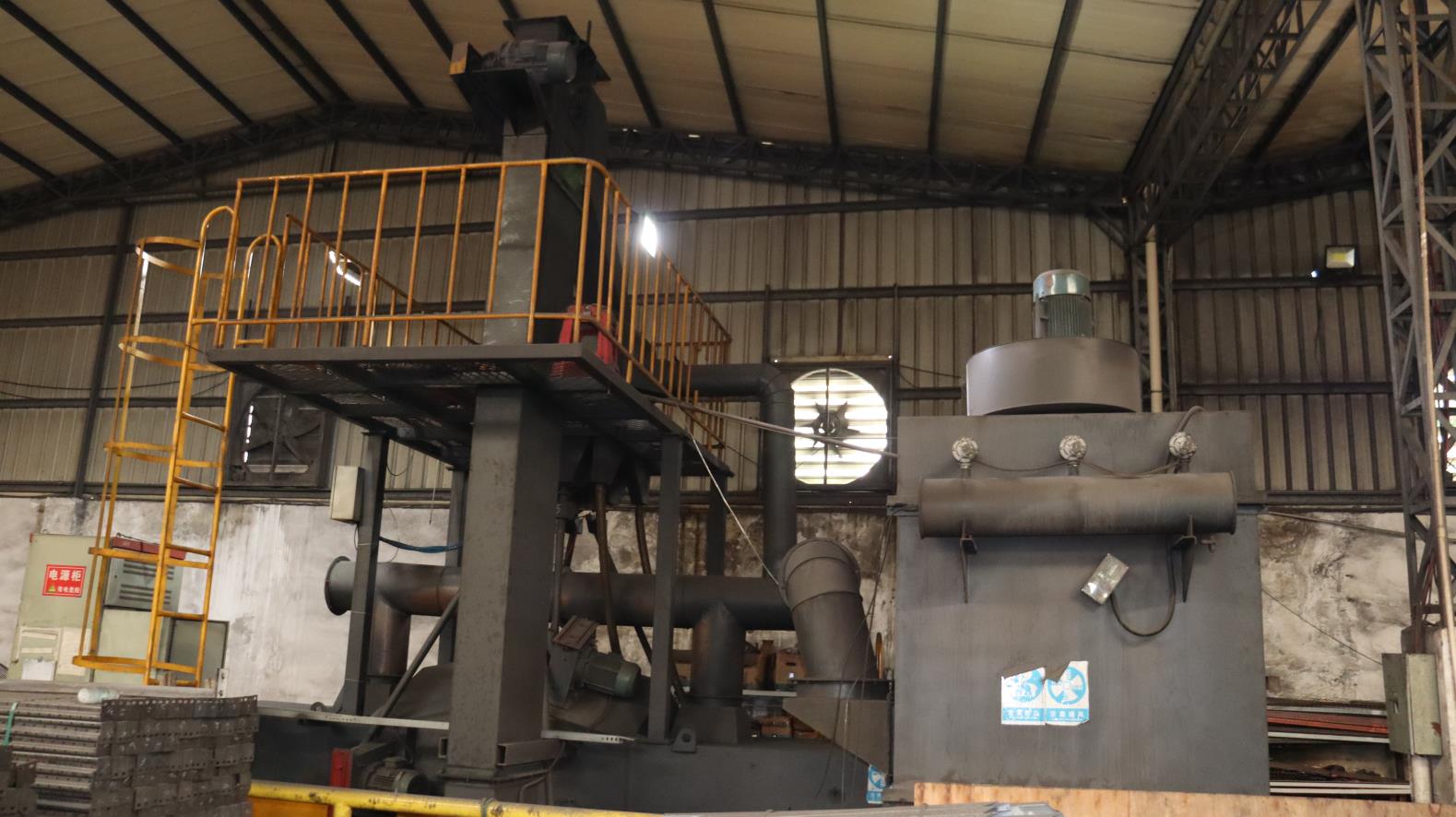
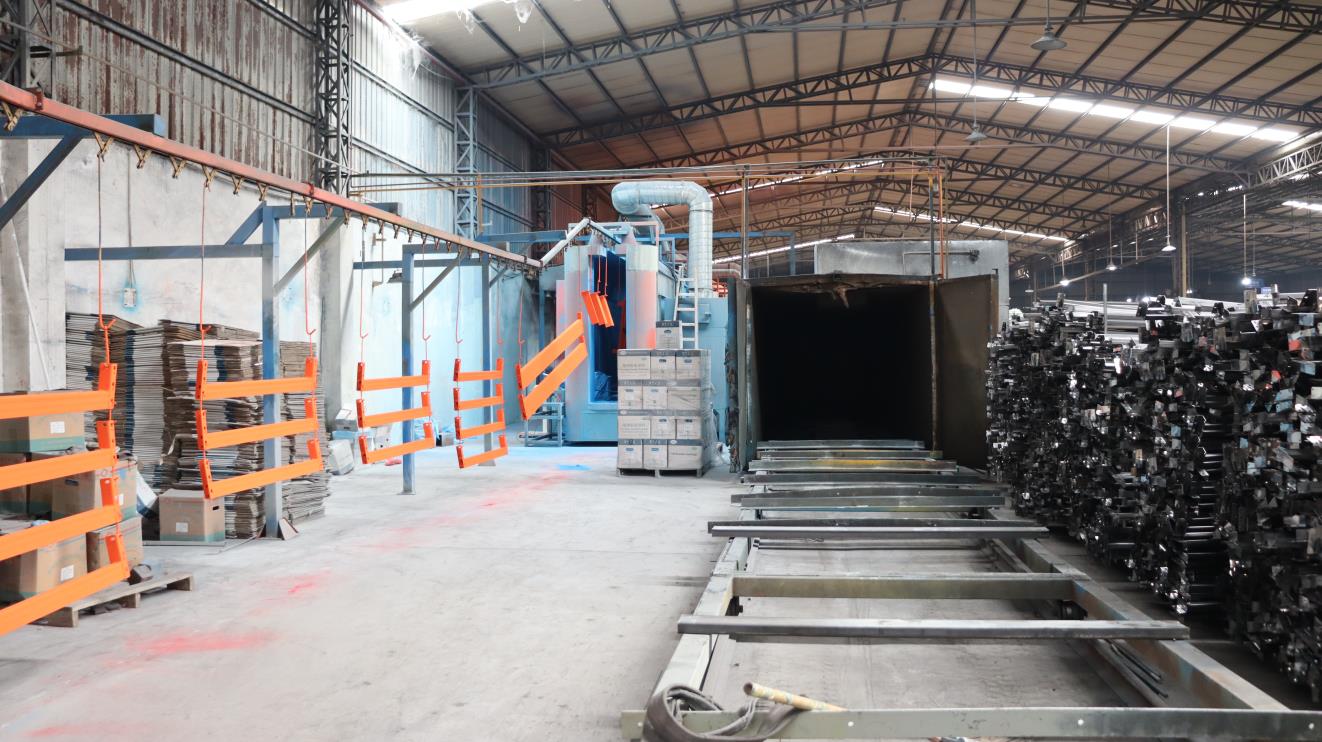
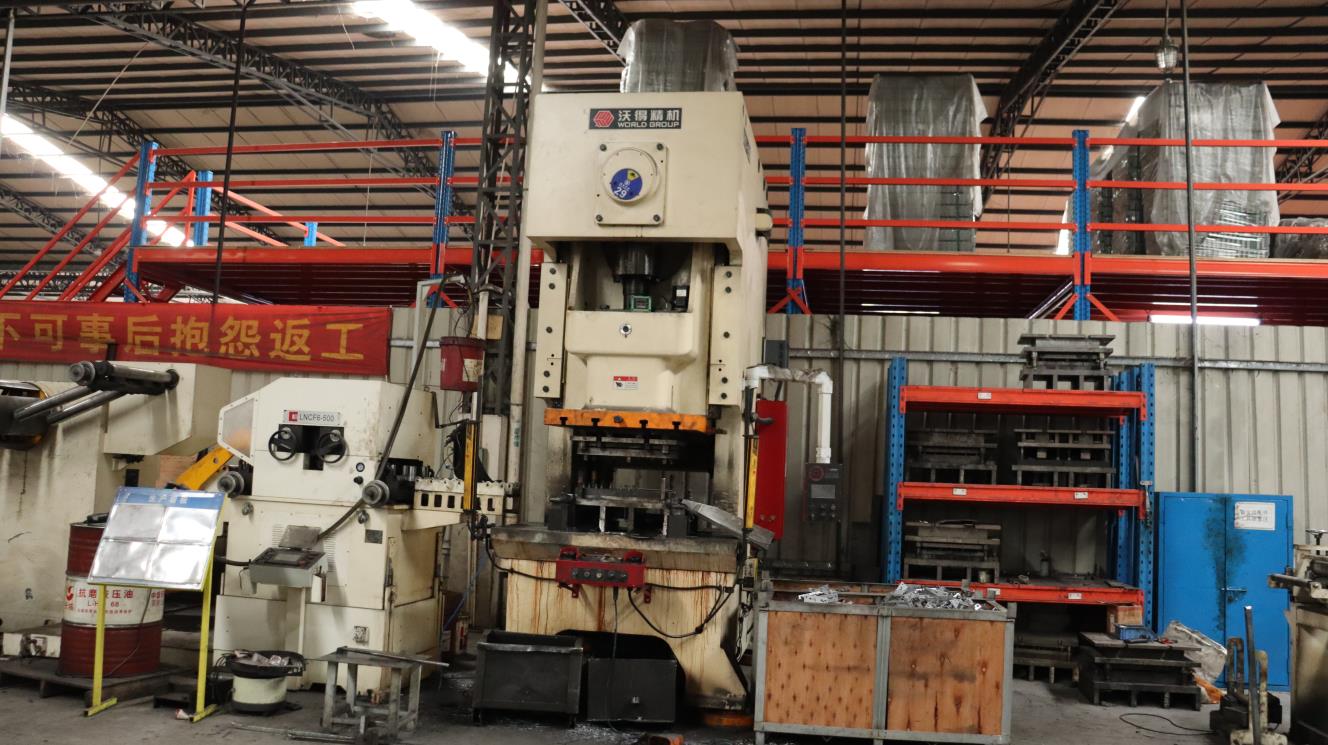
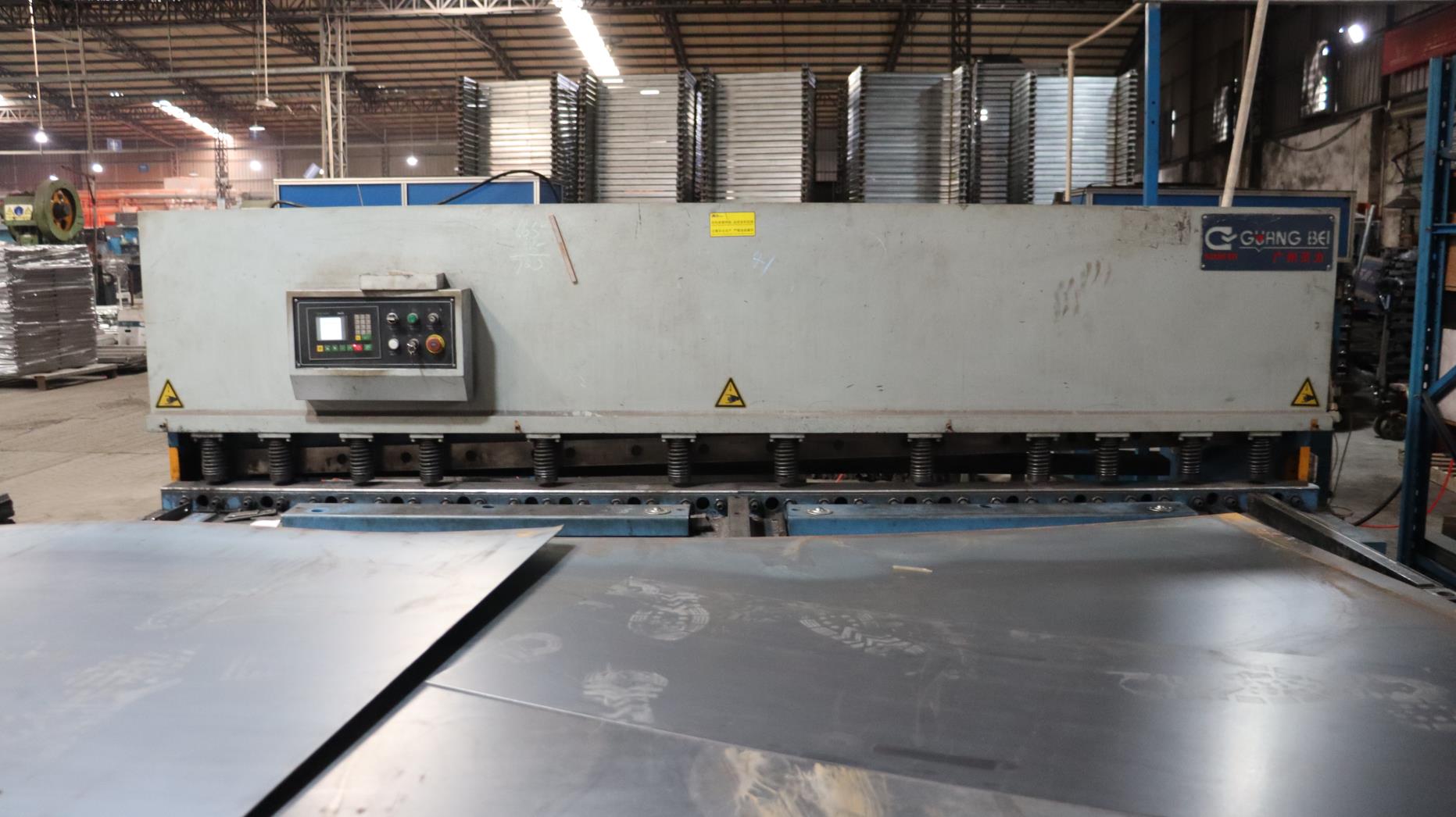
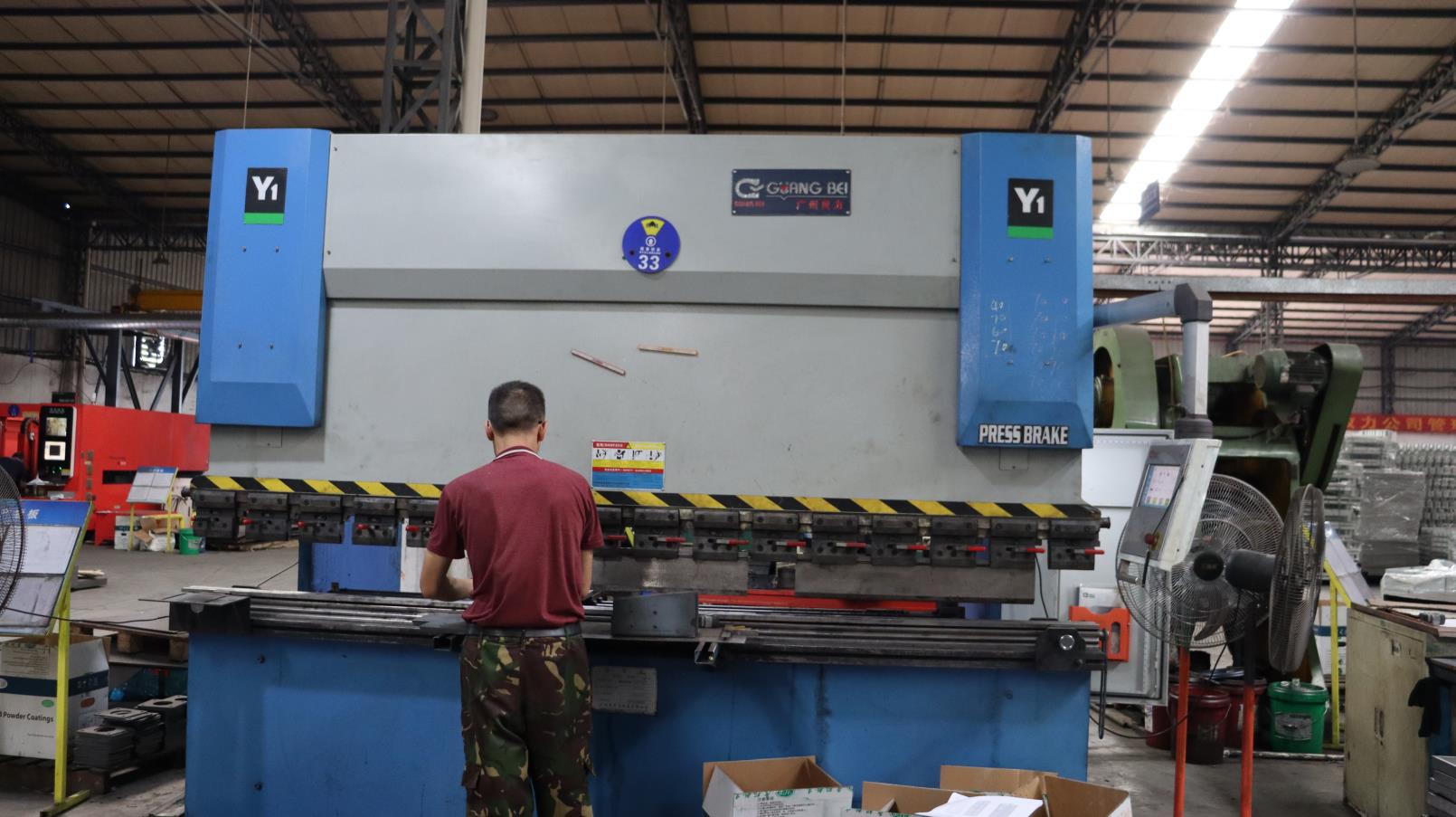
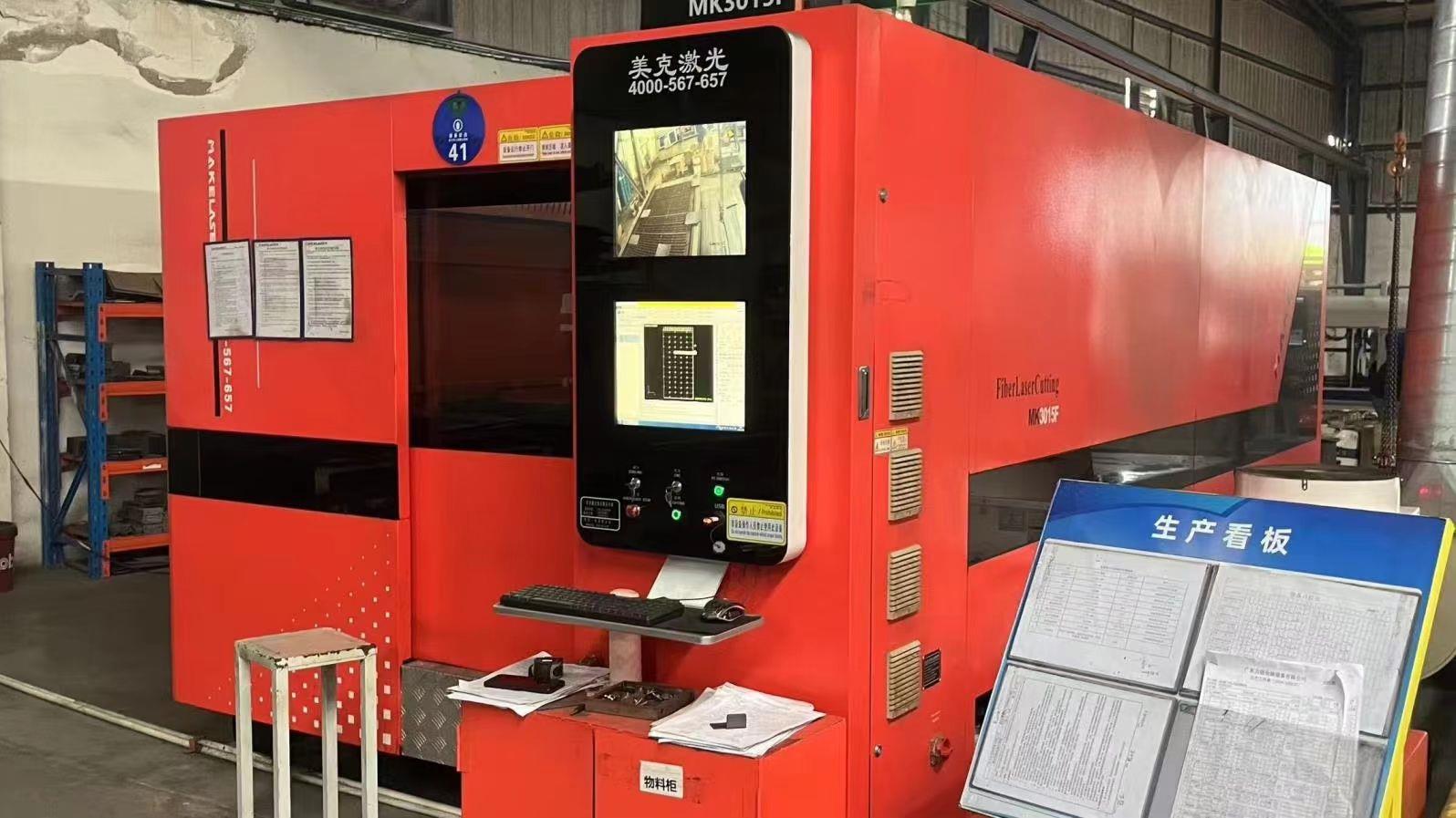
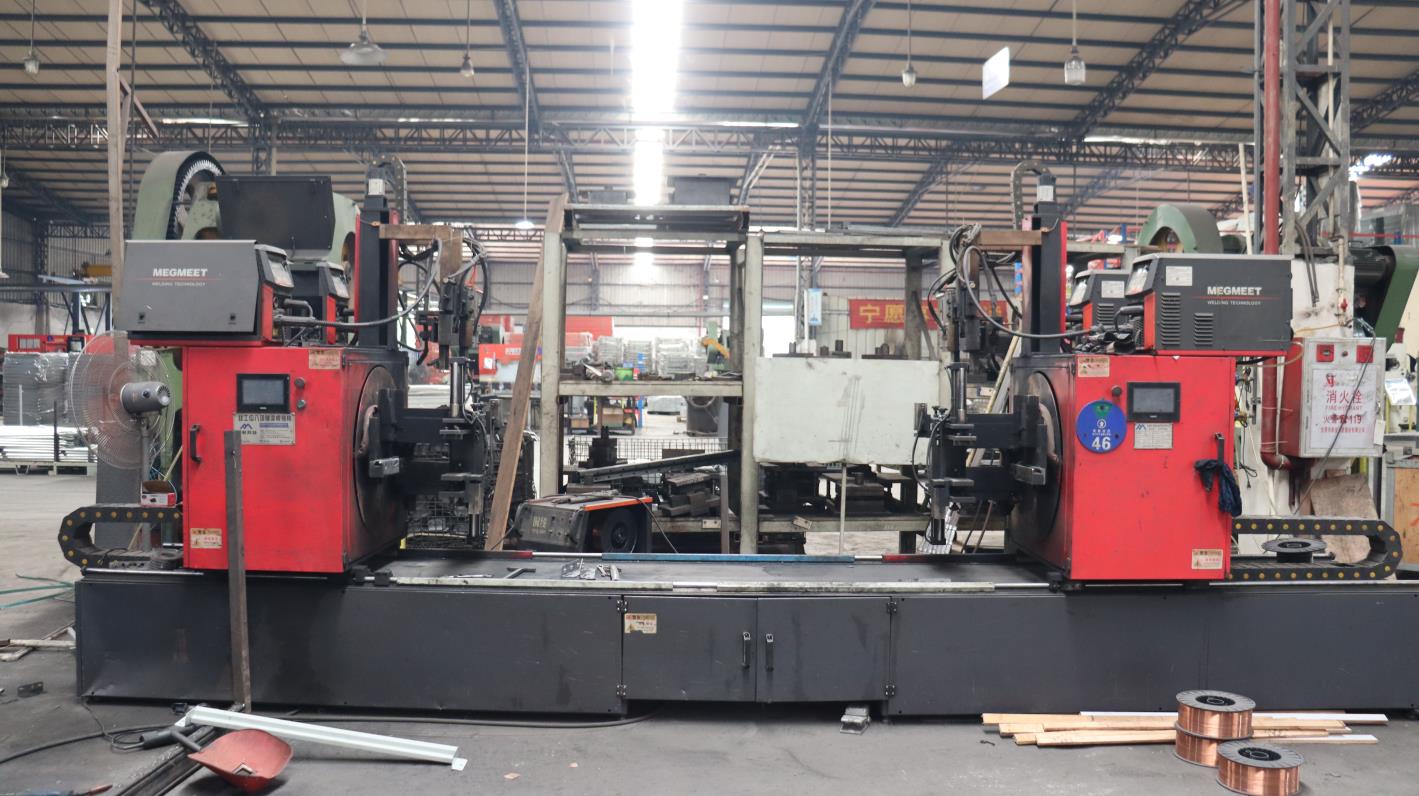
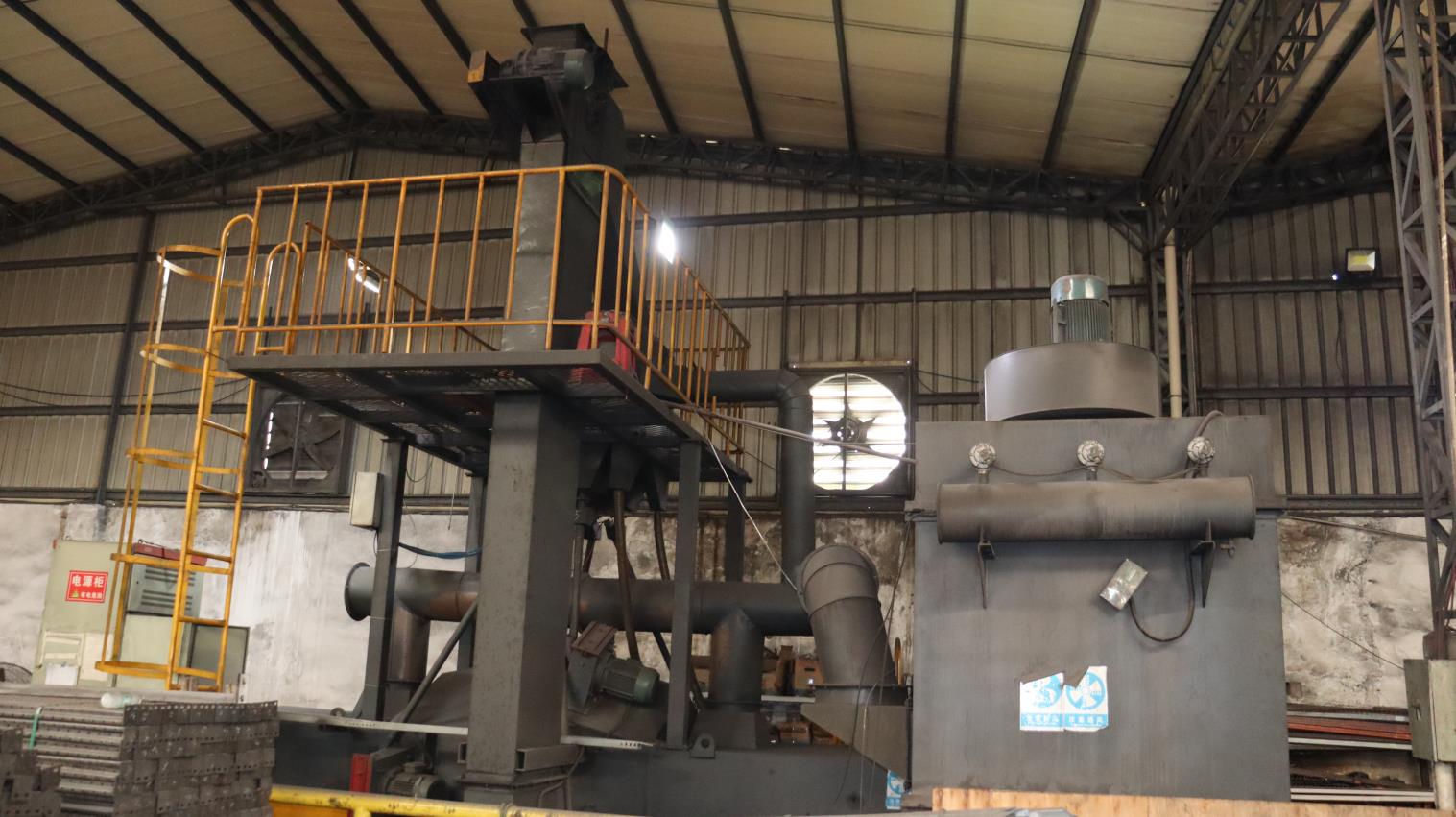
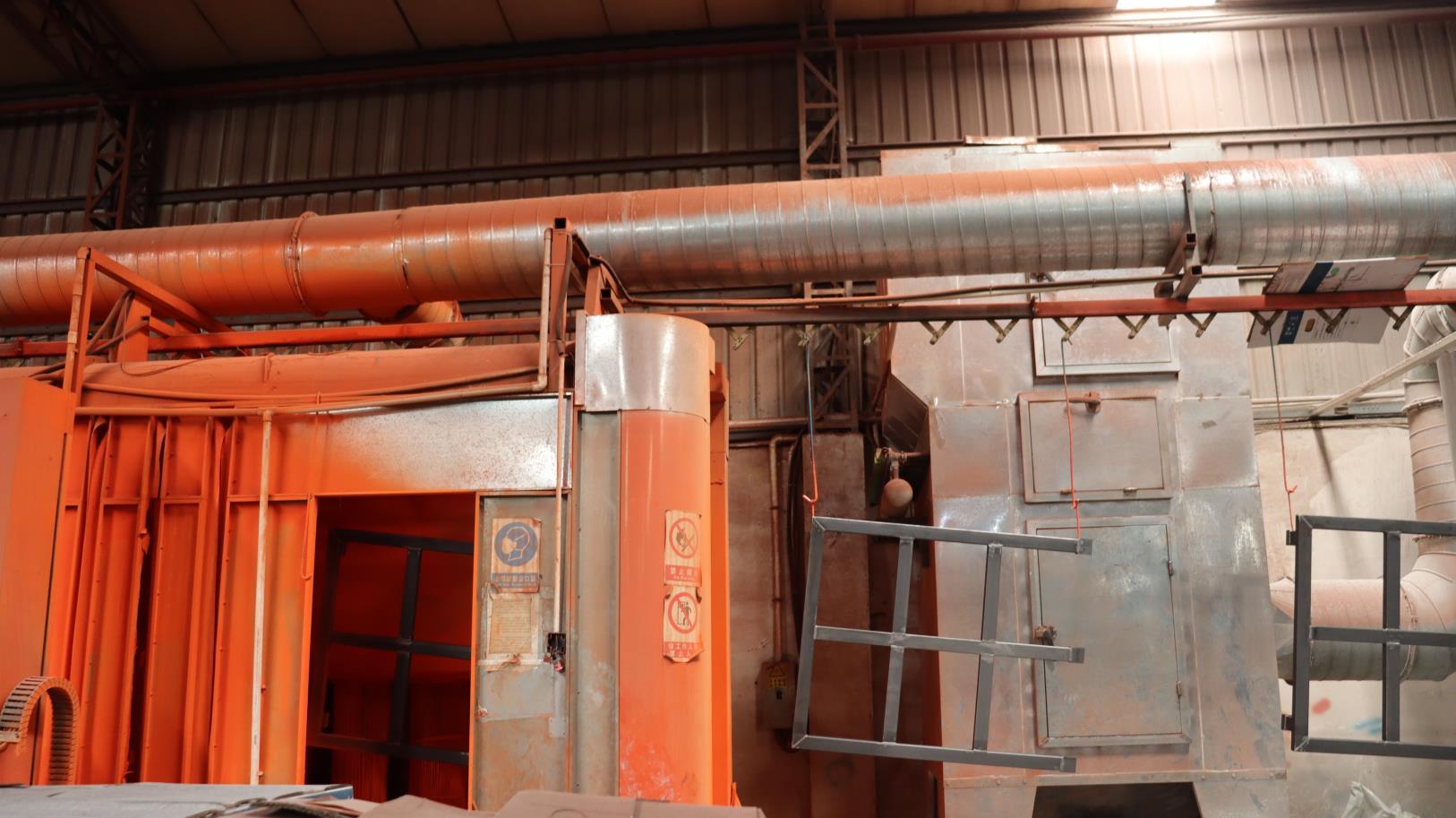
Through our intelligent production setup, we control the manufacturing journey from raw material slitting to electrostatic powder coating. Integrating high-speed CNC punching presses, laser profiling stations, and robotic MIG welding platforms enables us to eliminate variations in steel tensile properties and guarantee dimensional tolerances of ±0.5mm.
A strategic reference for industrial procurement agents, global supply chain directors, and warehouse architects.
Procuring medium-duty racking systems goes beyond simple weight ratings. Industrial engineers evaluate parameters that dictate structural integrity, floor utilization metrics, and long-term durability. We address these requirements with verified engineering data:
| Procurement Challenge | Technical Concern | Shenzhen Lijin Engineered Solution |
|---|---|---|
| Structural Stability | Seismic vulnerabilities & local load-bearing failure under capacity. | Use of Q235B high-yield cold-rolled profiles with multi-point interlocking beam connectors. |
| Surface Wear | Chipping, oxidation, and chemical corrosion in highly humid regions. | Multi-stage chemical pre-treatment followed by electrostatic thermosetting powder coating (60-80 microns thickness). |
| Assembly Speed | High local labor costs during on-site deployment. | Boltless teardrop or keyhole structural connectors that reduce installation times by up to 40%. |
| Compliance Verification | Incompatibility with regional warehouse safety audits. | Full structural certification aligning with European FEM 10.2.02 and US RMI specification frameworks. |
Understanding the physical constraints of uniform load distribution prevents structural deflection. Our profiles maintain a safety factor of 1.5, allowing them to absorb accidental shock impacts during picking operations without causing structural collapse.
Traditional systems rely on standard bolts that loosen under cyclic thermal expansion. Lijin designs rely on engineered safety lock clips that latch securely under load, providing solid column-to-beam connection stiffness.
We manufacture structural components according to custom geometric criteria. Upright width, step depth, and panel thickness can be configured to integrate with existing automated storage and retrieval systems (AS/RS).
Every industry presents unique ambient demands, chemical profiles, and loading frequencies. We customize configurations to address these vertical sector constraints.
High pick frequencies demand error-free spatial layouts. Our medium-duty racks accommodate plastic bin flows, pick-to-light assemblies, and wire mesh dividers. This configuration improves product accessibility while optimizing high-density multi-tier picking structures.
Handling heavy, dense metal parts requires impact-resistant shelf panels. We fabricate extra structural steel support bars that weld directly beneath steel shelf decks. This configuration prevents load-point structural sagging under point loads.
Sub-zero environments trigger structural embrittlement in standard structural steel. Shenzhen Lijin sources structural steel batches verified down to -40°C, combined with zinc-rich primer coatings that prevent moisture creep under frequent temperature cycling.
Navigating regional build codes, seismic zones, and custom clearance certifications with transparency.
Installing large-scale storage configurations requires adherence to local engineering regulations. Building code inspectors globally require documentation of structural steel properties, load limits, and calculations under lateral force configurations.
Shenzhen Lijin simplifies compliance by providing comprehensive structural design packages with each delivery. We work alongside local installation teams, providing detailed layout drawings and hardware specifications to ensure smooth local permitting approvals.
Exporting structure assemblies requires specialized flat-pack configuration management. Our teams optimize container loading densities to protect painted profiles from scratching during maritime transit.
We offer flexible shipping arrangements (CIF, FOB, DDU, DDP), handling export document clearances to deliver materials straight to your job site.
Preparing warehousing environments for the transition toward digital inventory twins and automated logistics structures.
The next five years will shift physical storage racks from passive metal structures to active nodes in automated materials handling. As AI-driven warehouse control systems (WCS) increase performance expectations, racking setups must adapt to support high-velocity, automated operating environments.
Integrating load sensors within standard shelf steps. Real-time weight data feeds directly into WMS software, warning facility safety managers of localized load limits and uneven weight distributions before damage occurs.
Shifting production raw materials to green steel processed via hydrogen-reduction. We are partnering with clean mills to reduce scope-3 carbon footprints, supporting green initiatives for enterprise customers.
Developing specialized magnetic tracking guides and physical bumper shielding. These modifications help standard medium-duty shelving layouts operate smoothly alongside autonomous mobile robots (AMRs).
Medium-duty racking systems are optimized for manual hand-loading operations with load ratings between 300kg and 500kg per level. They utilize light-gauge cold-rolled profile shapes and require no forklifts. Heavy-duty pallet racks are designed for forklift-operated pallet storage, with capacities ranging from 1000kg to 4000kg per level, utilizing thicker upright steel sections and heavier anchoring hardware.
We source structural steel coils directly from state-owned mills like Shougang and Baosteel. Every batch arrives with verified material test certificates (MTC) proving mechanical yield stress limits. We verify these properties via internal lab testing before releasing materials to roll-forming lines.
Yes. Our in-house engineering team provides complete OEM/ODM design flexibility. We can customize profile heights, panel depths, and horizontal shelving spans to maximize overhead space and clear vertical obstructions like HVAC ducts and lighting.
All structural parts undergo an automated chemical pre-treatment process: alkaline degreasing, acid rust stripping, zinc phosphate priming, and a final clean water rinse. We then apply an electrostatic powder coat, cured at 180-200°C, to create a highly durable finish that resists scratching, impact, and chemical wear.
We bundle upright frames and beams using heavy-duty plastic strapping, wrapped in bubble cushioning film, and secured on wooden pallets. This packaging layout prevents metal-to-metal rubbing during shipping, ensuring components arrive at your facility in pristine condition.
Yes. Our racking structures have undergone load testing by SGS and TUV Rheinland to verify physical capacity limits. Test documentation confirming yield strengths and deflection criteria is available upon request.
We process standard international payment options like L/C and T/T. Our logistics department coordinates global freight delivery under FOB, CIF, DDU, and DDP terms, managing transport requirements directly to your warehouse location.
 Lijin Racking