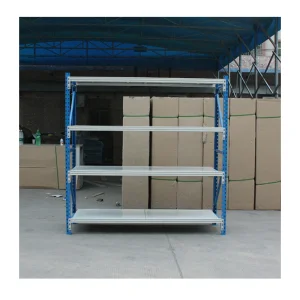
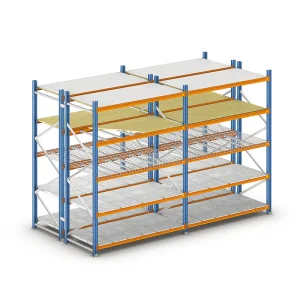
Engineered for maximum structural integrity, optimized storage density, and seamless integration with modern automated logistics systems.
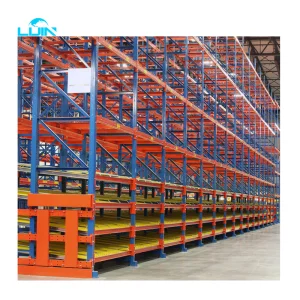
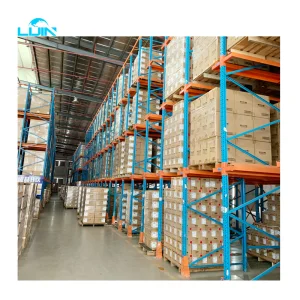
In contemporary high-precision manufacturing—spanning automotive stamping, plastic injection molding, aerospace alloy forging, and die-casting—molds and dies represent high-value capital assets. A single multi-cavity injection mold or progressive stamping die can weigh anywhere from 500 kilograms to upwards of 15 metric tons, costing tens to hundreds of thousands of dollars. Storing these intense concentration-load assets on conventional static warehouse racking poses extreme structural risks, including beam deflection, tipping hazards, and catastrophic frame collapse under dynamic loading.
Specialized heavy-duty mould racks (frequently referenced as drawer racking or mold storage systems) are engineered specifically to solve the high point-load challenges inherent in industrial tooling logistics. Unlike standard pallet racks designed for distributed floor loads across timber or wire decks, mold racks feature structural steel slide-out drawers mounted on heavy-duty bearing roller tracks. This architectural design enables overhead crane access or direct forklift retrieval with zero danger of damaging adjacent expensive tooling.
Fabricated using premium Q235B and Q355B cold-rolled structural steel, optimized to handle concentrated shear force without permanent deformation (deflection ratio strictly maintained under L/250).
Features automated self-locking pins and anti-tilt mechanisms that permit only one drawer to extend at a time, keeping the system center-of-gravity anchored securely within the footprint frame.
Telescopic guide rails with heavy-duty steel roller bearings allow manual operation for payloads up to 2,000 kg per level, and motorized dynamic assist for ultra-heavy dies exceeding 5,000 kg.
Through rigid structural finite element analysis (FEA), modern mould racking systems maximize vertical cubic space utilization while improving die changeover speed by up to 65%. For global enterprises scaling production lines, selecting a verified, direct-factory supplier ensures compliance with stringent international structural codes such as FEM 10.2.02 and ANSI MH16.1.
How Smart Manufacturing, Supply Chain Resiliency, and Industry 4.0 are Reshaping Tooling Storage Infrastructure Globally.
Modern smart factories are embedding RFID tags and digital displacement sensors into mold rack slots. Connected to Manufacturing Execution Systems (MES), operators can track mold location, usage cycles, and maintenance schedules in real-time.
The global shift toward unmanned smart workshops requires mould racks to interface seamlessly with Automated Guided Vehicles (AGVs) and bridge monorail cranes. Precision positioning stops ensure automated end-effectors load and unload heavy tooling safely.
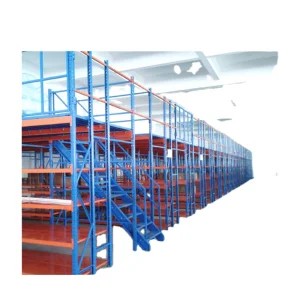
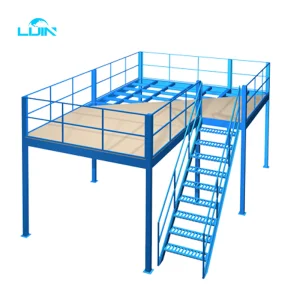
With industrial real estate costs escalating across Western Europe, North America, and East Asia, manufacturers are transitioning from horizontal floor storage to multi-tier mezzanine mold racking systems, expanding vertical storage density by over 300%.
When enterprise buyers, industrial procurement directors, and plant managers evaluate mould racking suppliers, technical decision-making centers around four non-negotiable risk vectors:
Driving Global Supply Chain Resilience through Advanced Engineering, Automated Manufacturing, and Uncompromising Quality Assurance.
Established in 2015, Shenzhen Lijin Storage Equipment Co., Ltd. is a premier high-tech enterprise specializing in the design, engineering, and automated production of heavy-duty warehouse racking systems, automated storage and retrieval systems (AS/RS), dynamic mold racks, and industrial logistics equipment. Spanning a state-of-the-art manufacturing hub of 35,000 square meters, Lijin has built a global supply chain footprint spanning North America, Western Europe, Southeast Asia, and the Middle East, supported by over 8 years of direct export experience.
Our competitive advantage stems from end-to-end control over the manufacturing lifecycle. Supported by a dedicated R&D engineering force of 28 senior structural engineers, Shenzhen Lijin delivered more than 85 customized heavy-duty rack configurations last year alone. We partner directly with Tier-1 automotive manufacturers, plastic injection facilities, 3PL logistics hubs, and global industrial equipment distributors to solve complex storage challenges.
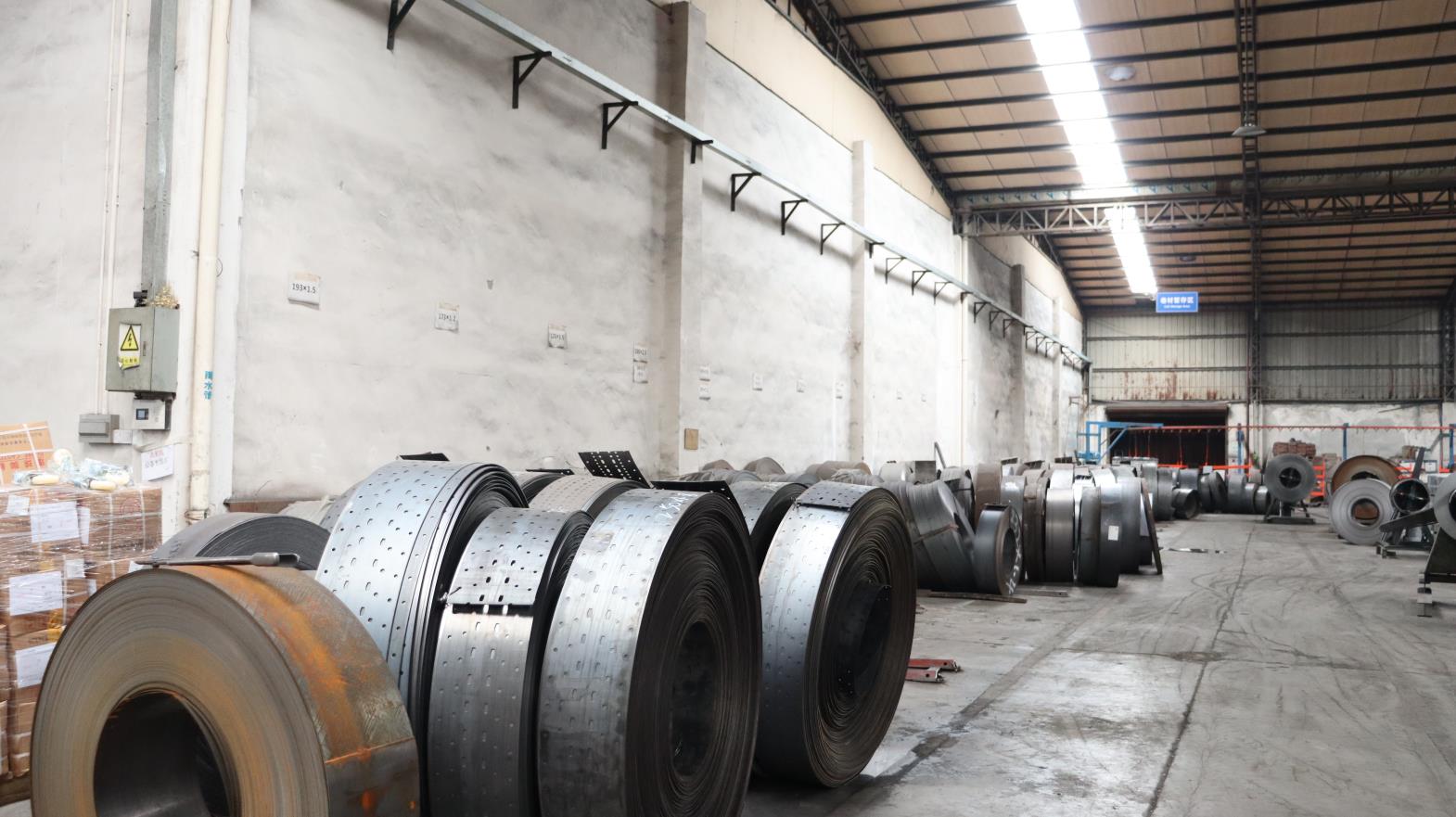
Safety is the primary structural benchmark for heavy-duty mold racking. Shenzhen Lijin operates an independent quality management system staffed by 35 dedicated QC inspectors. Every raw material coil undergoes spectral steel grade validation and tensile strength testing prior to roll forming. Manufacturing steps integrate non-destructive ultrasonic weld testing, automated laser dimension checking, dynamic balance verification, and static overload endurance testing (certifying load capacity up to 1.5 times nominal rating).
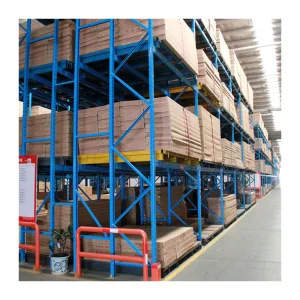
Inside our 35,000 m² modern factory: End-to-end automated equipment ensuring exact tolerance control and structural durability.
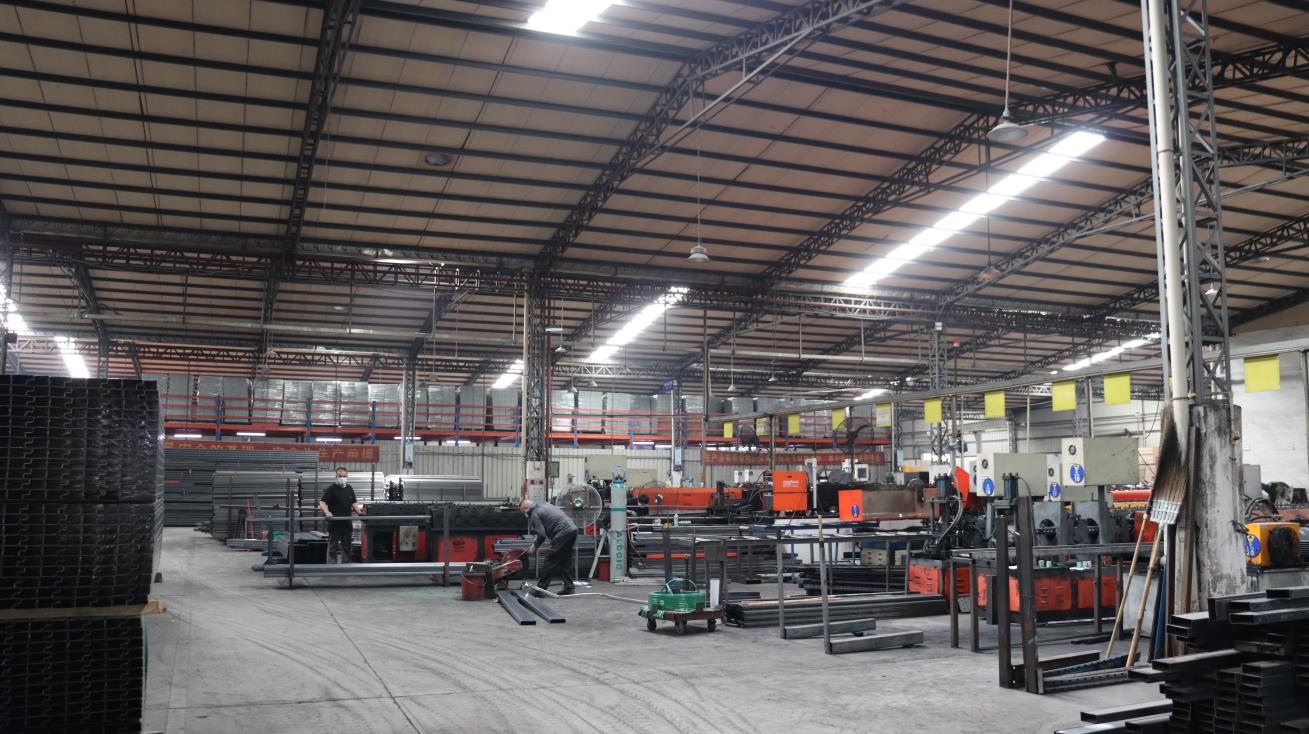
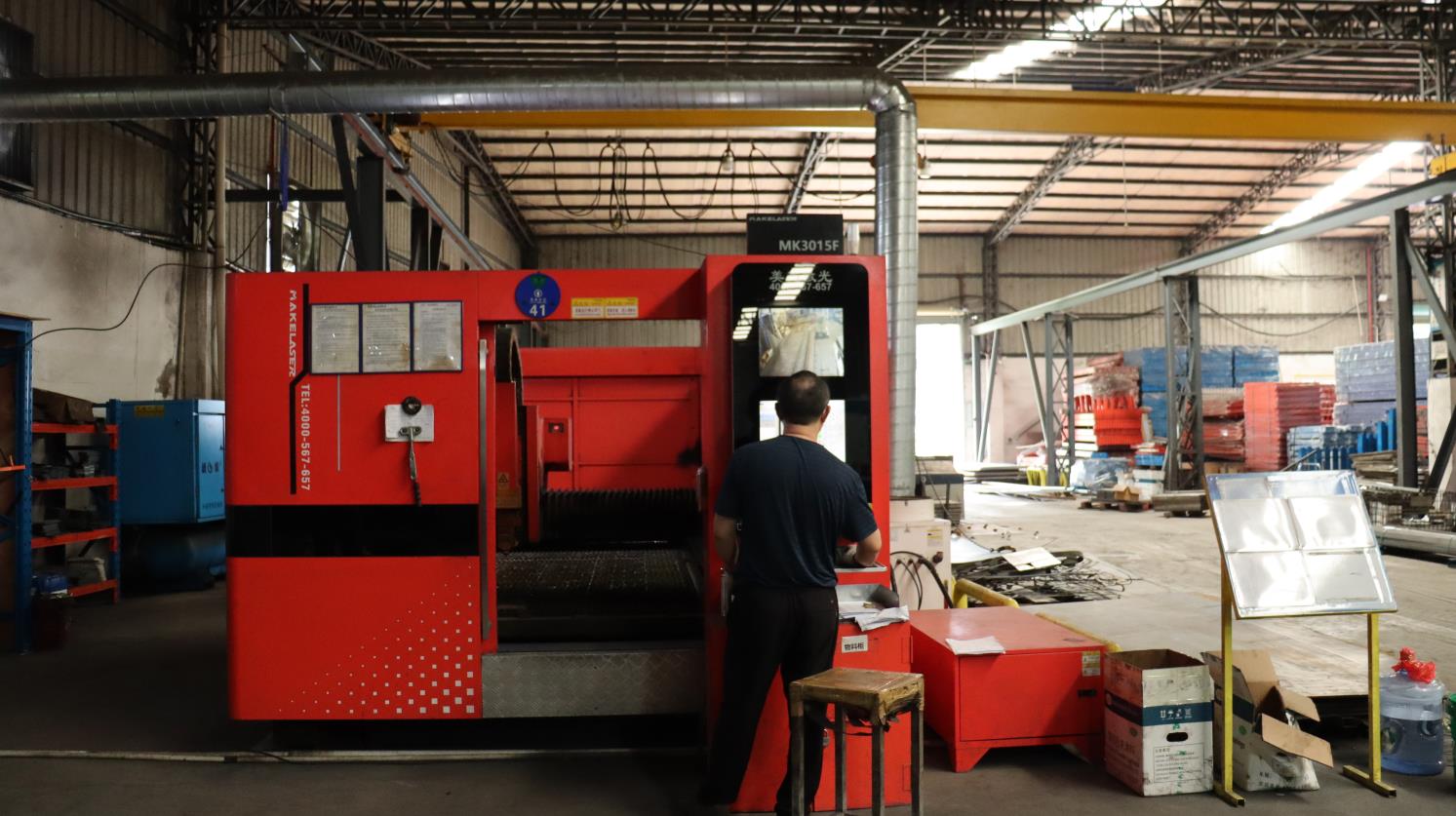
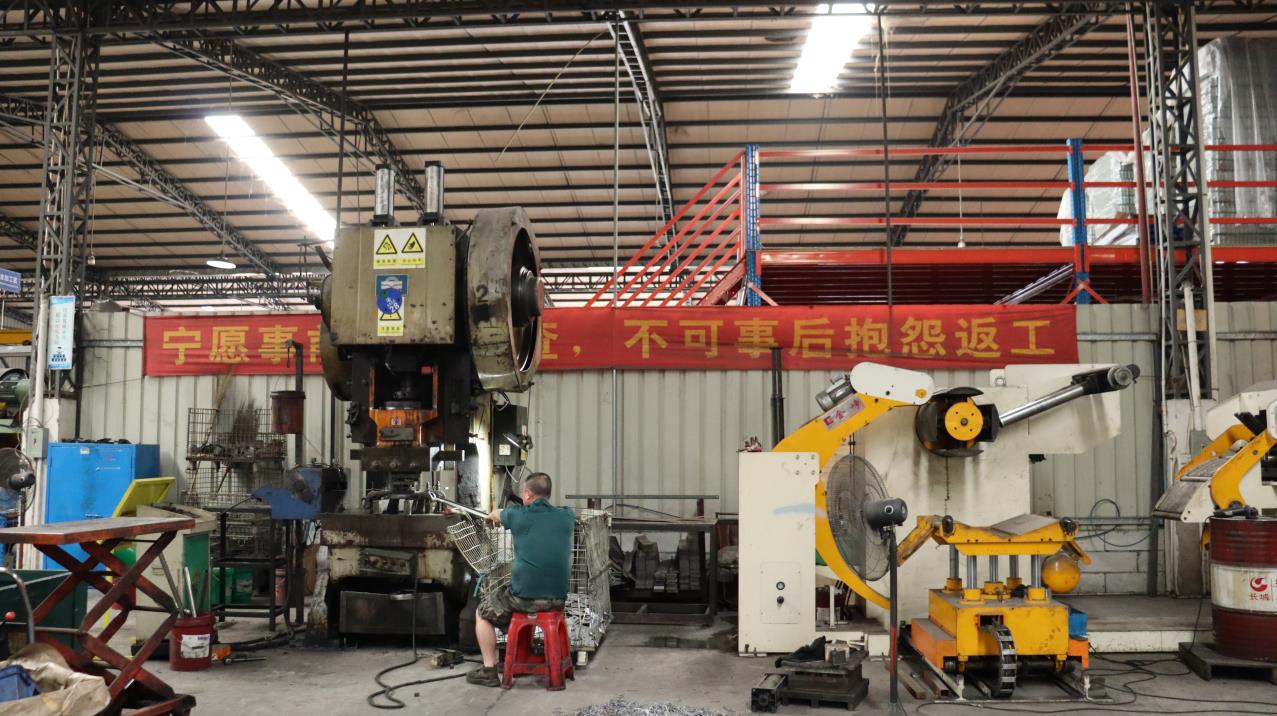
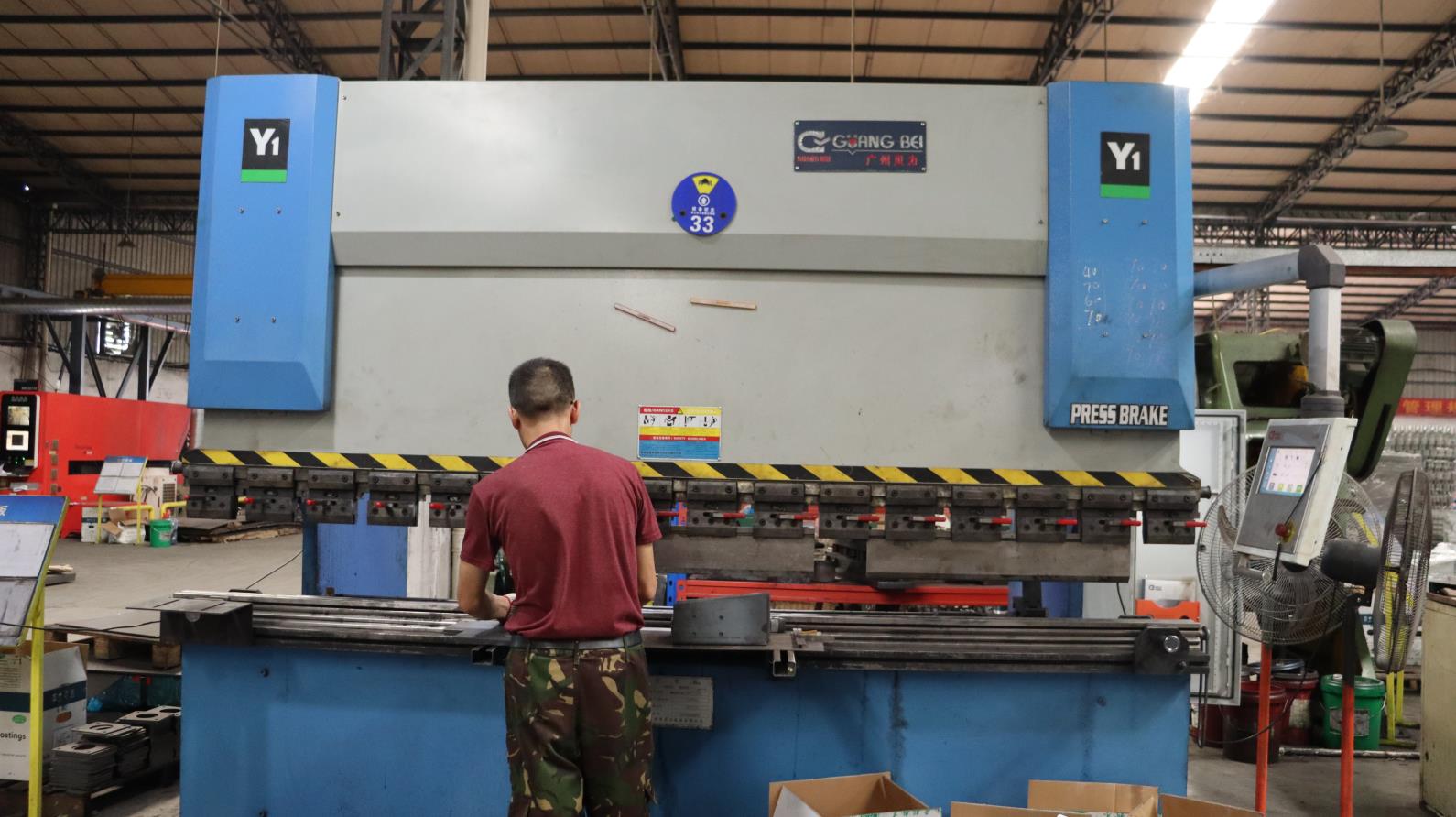
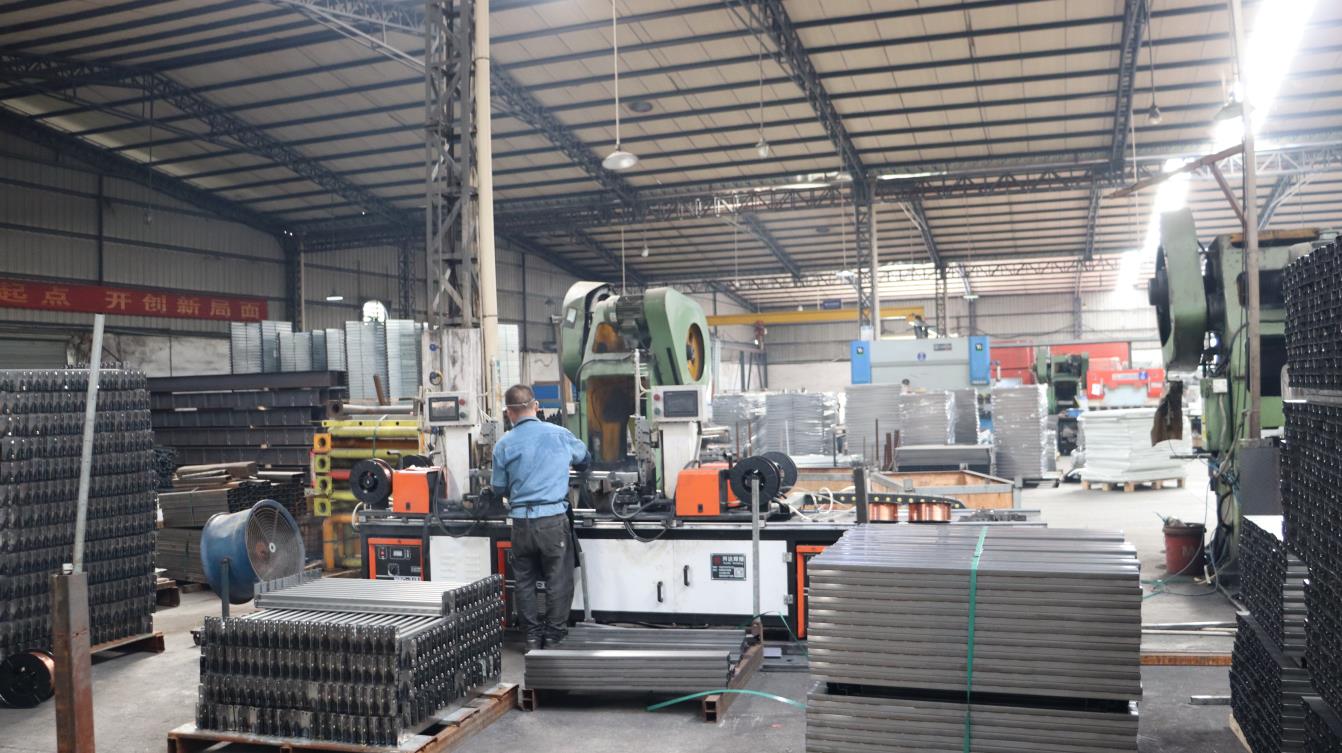
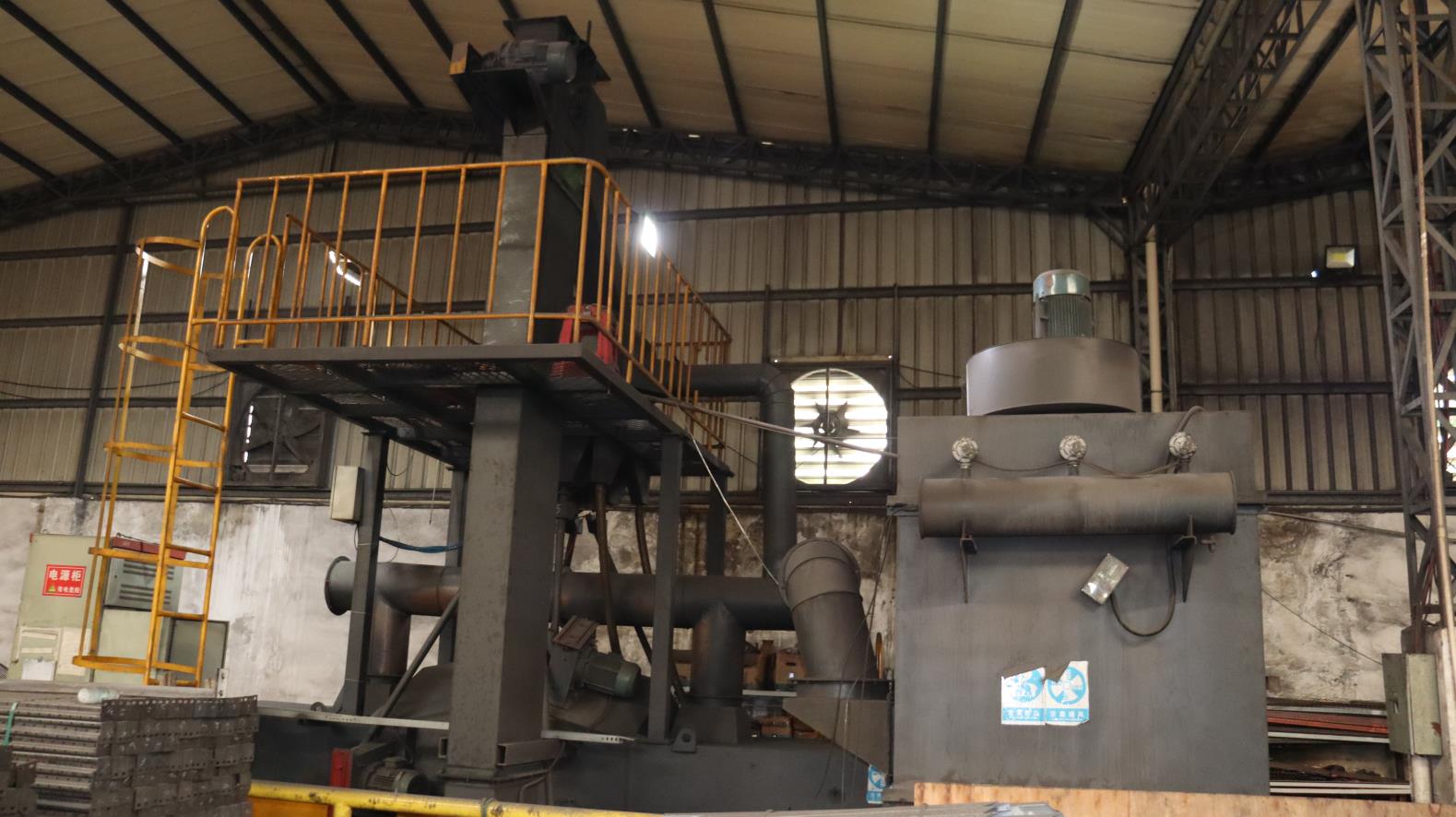
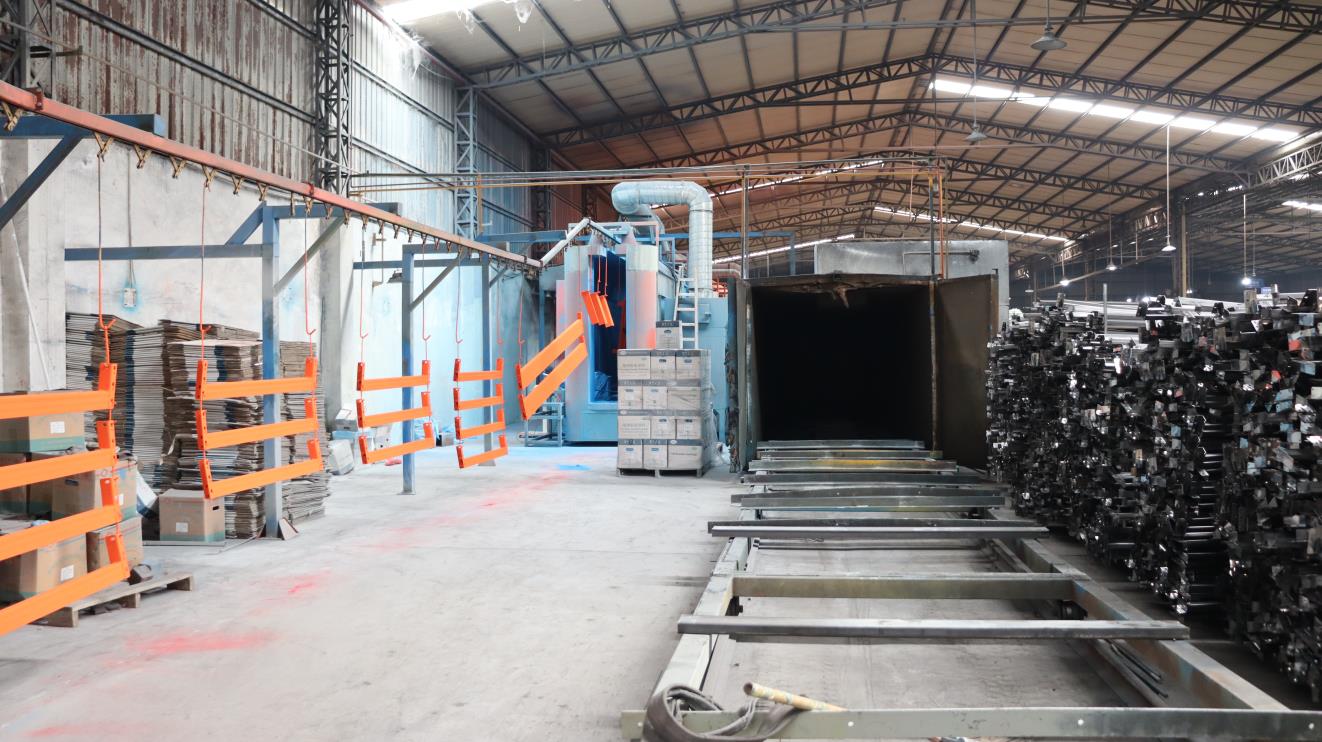
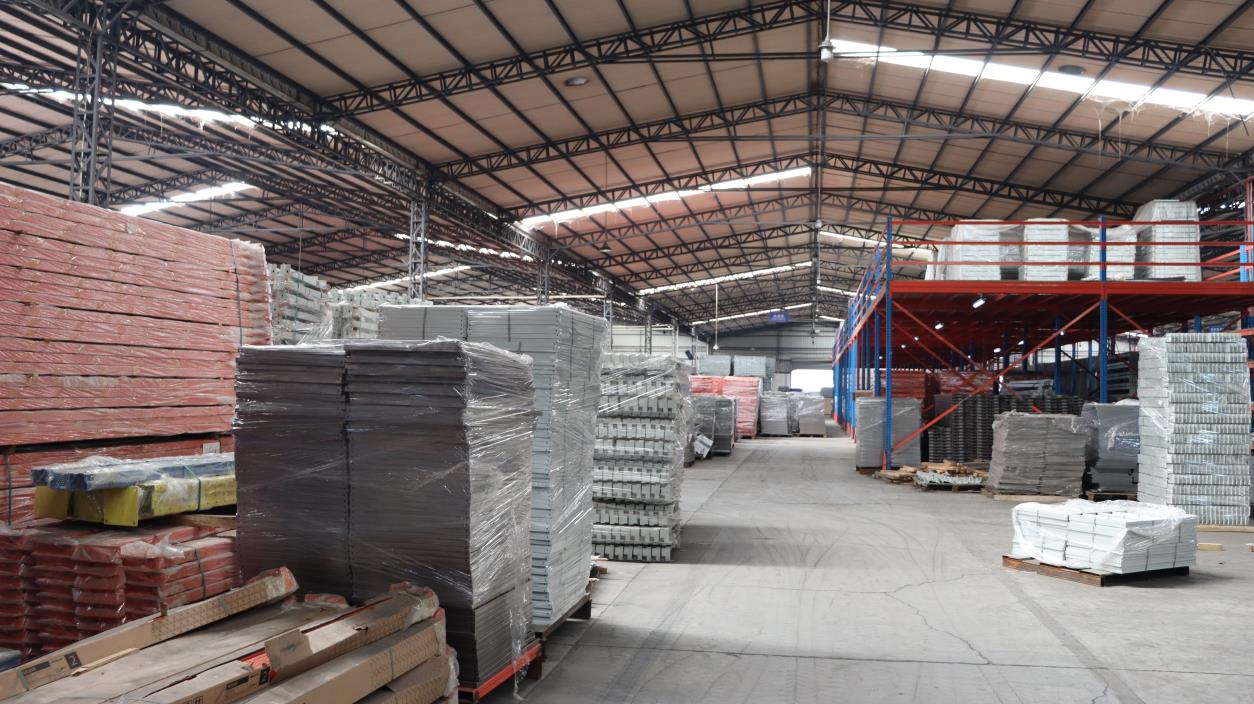
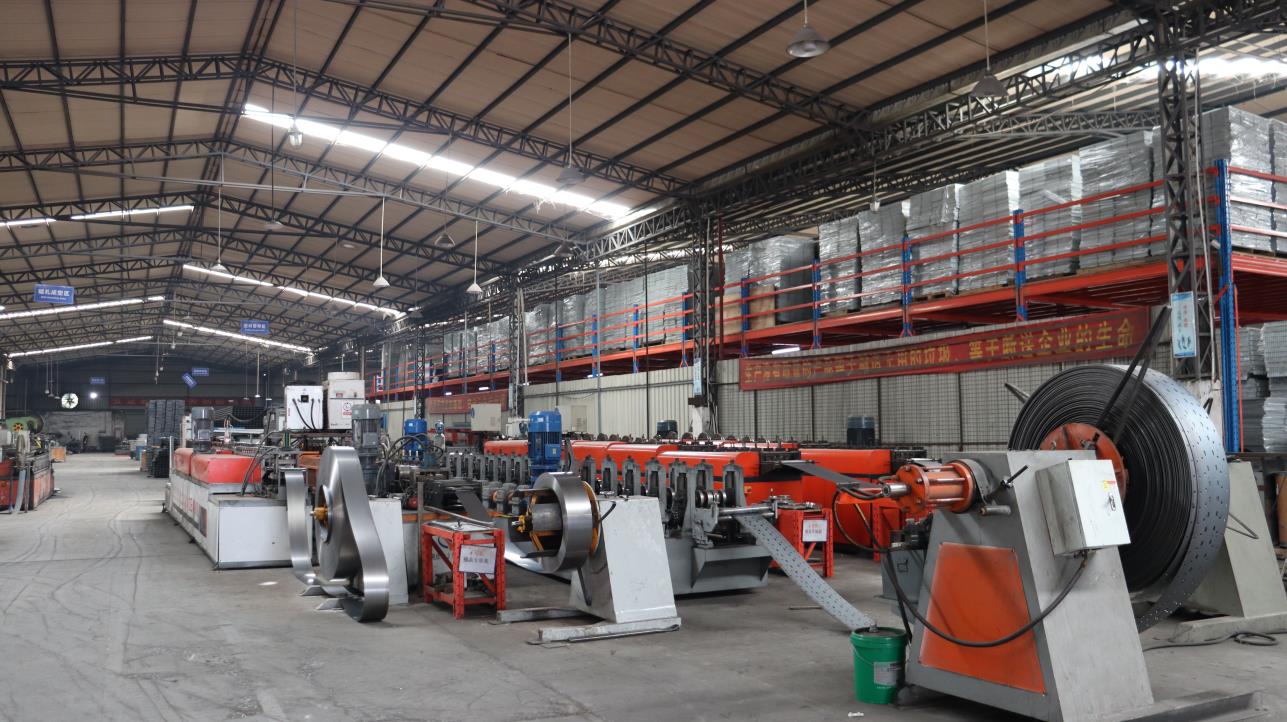
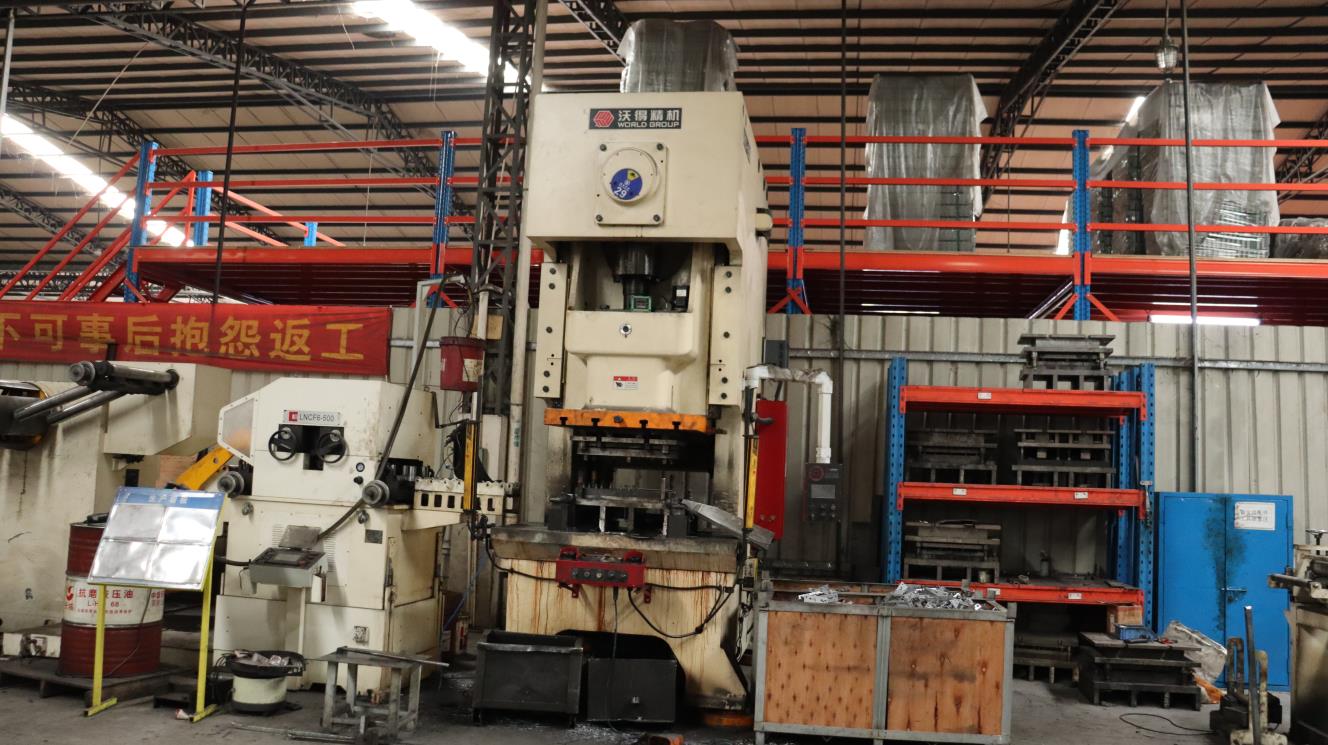
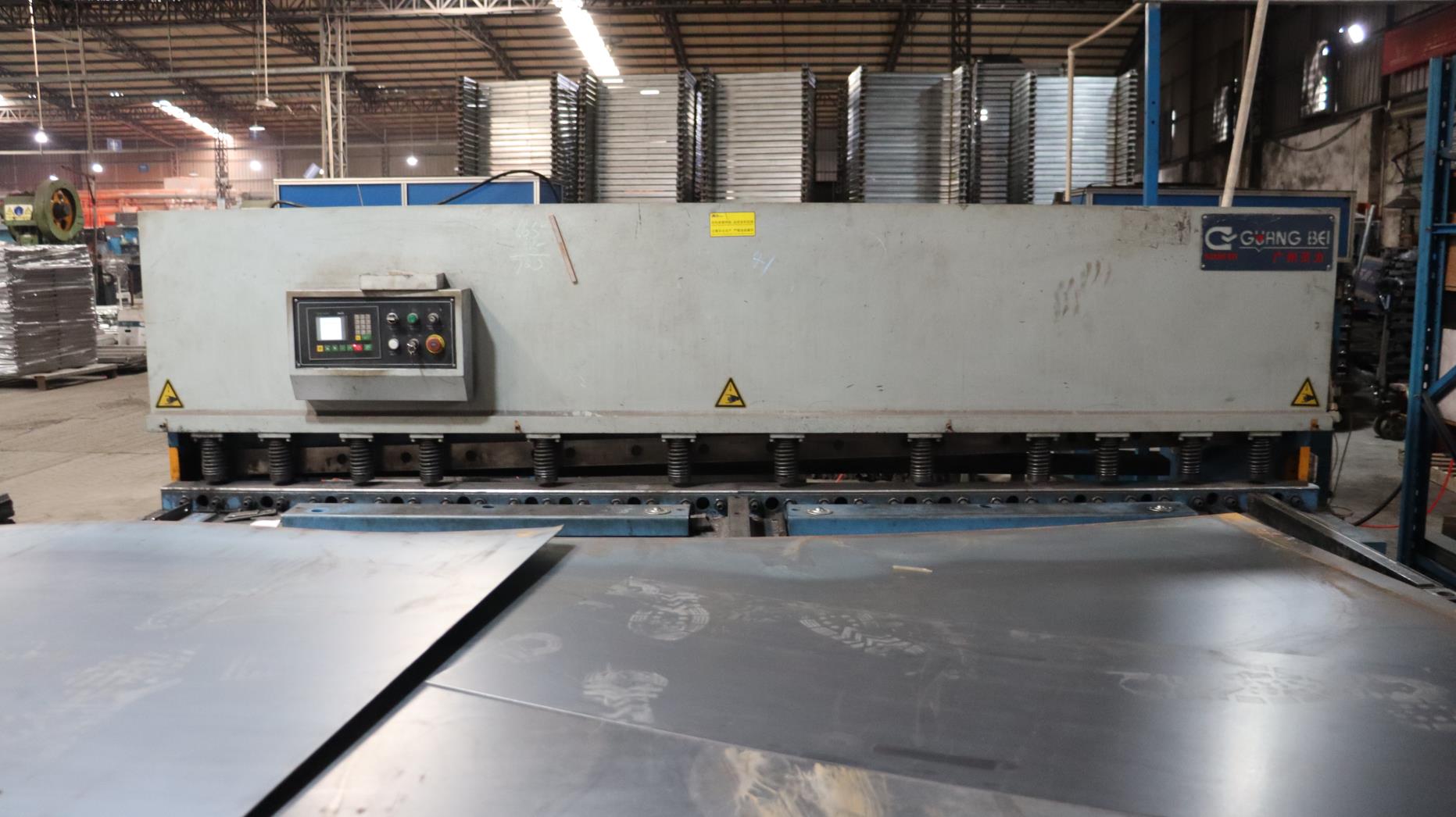
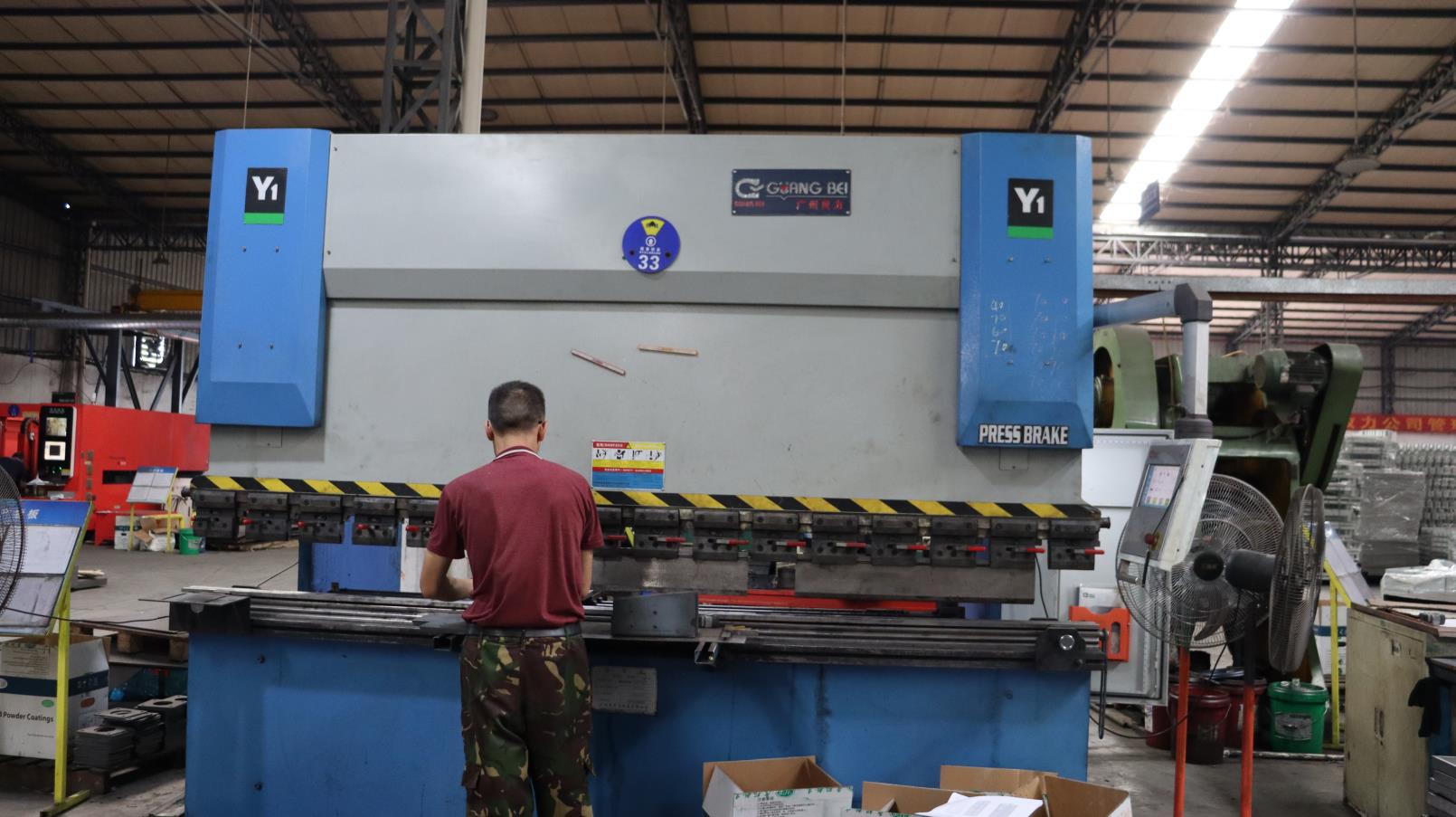
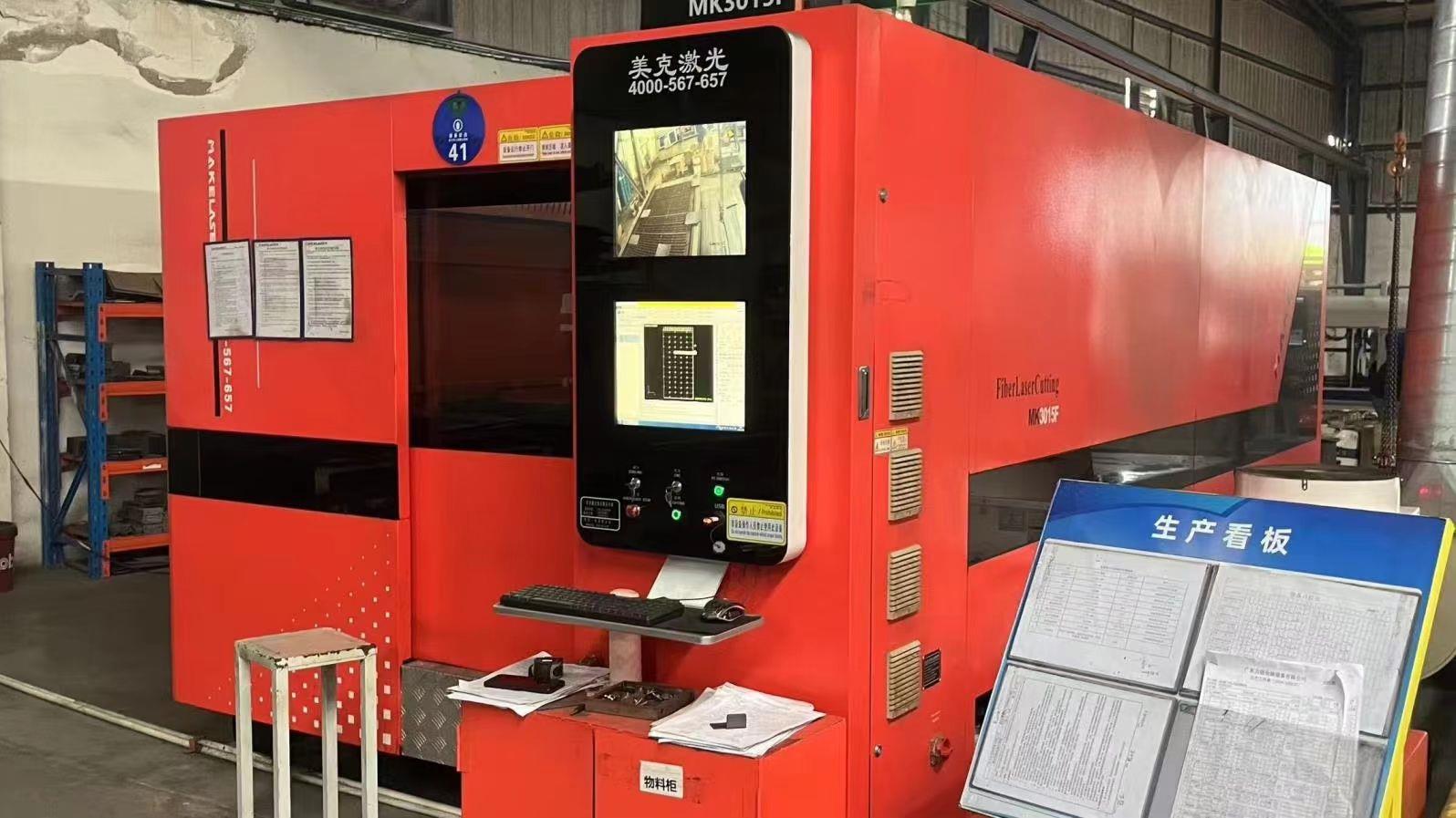
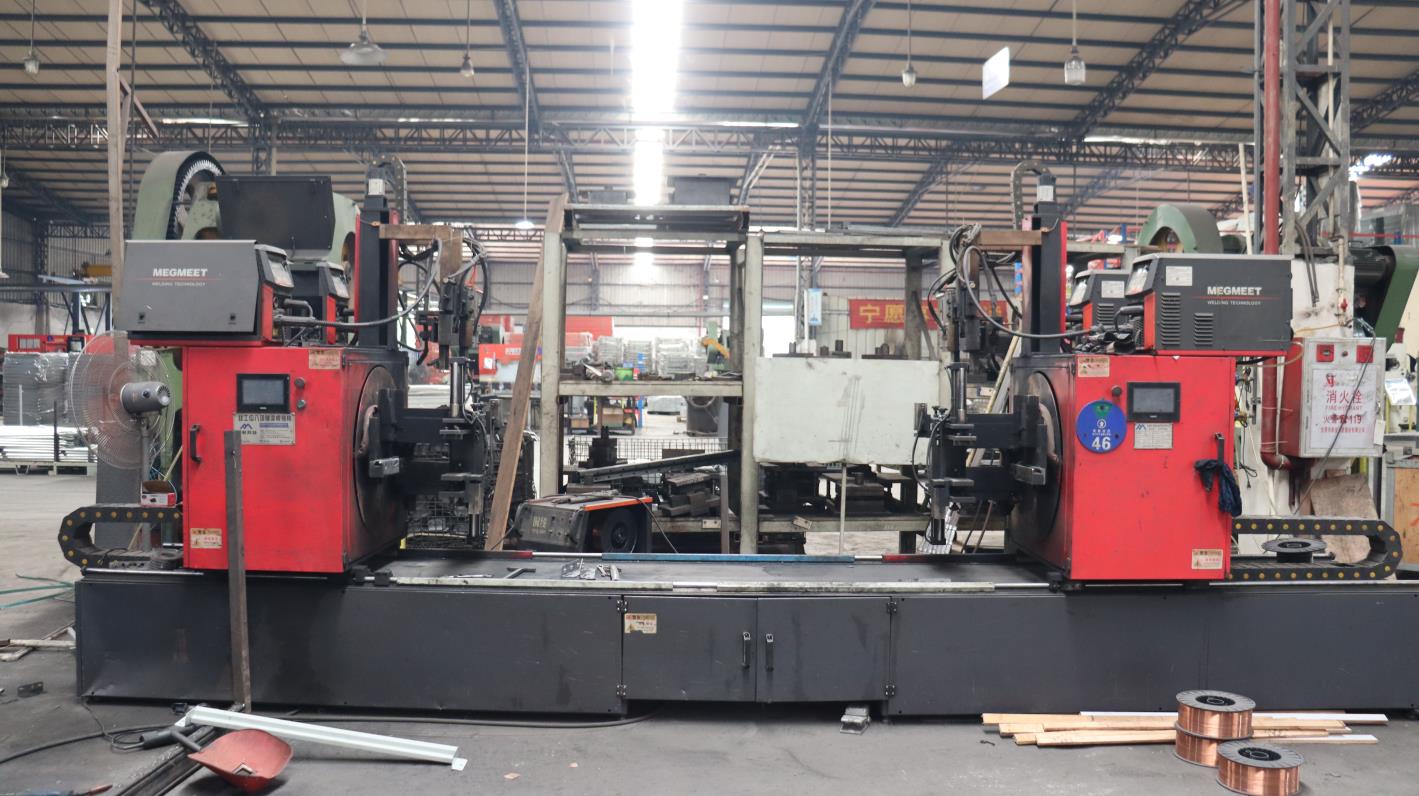
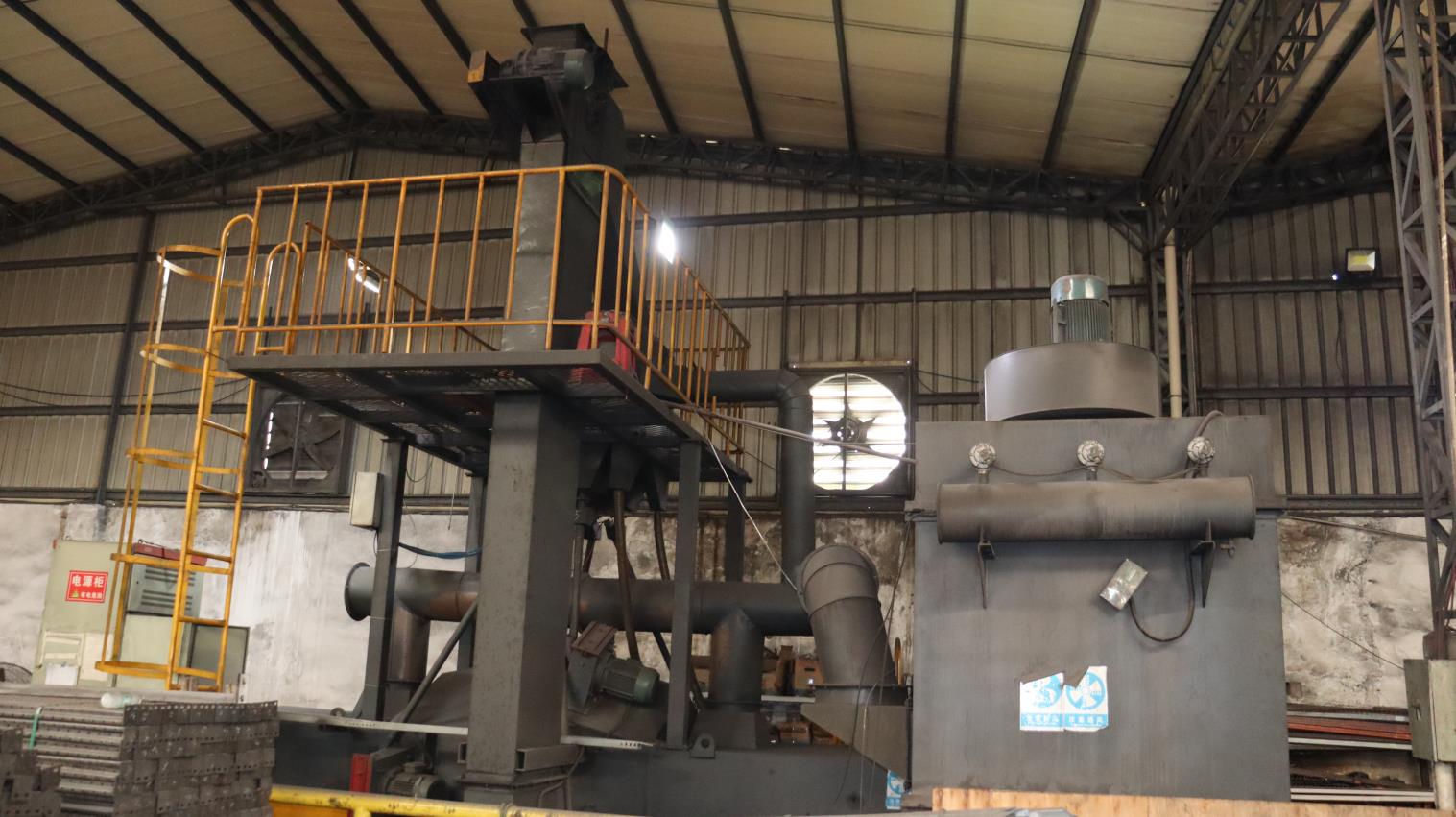
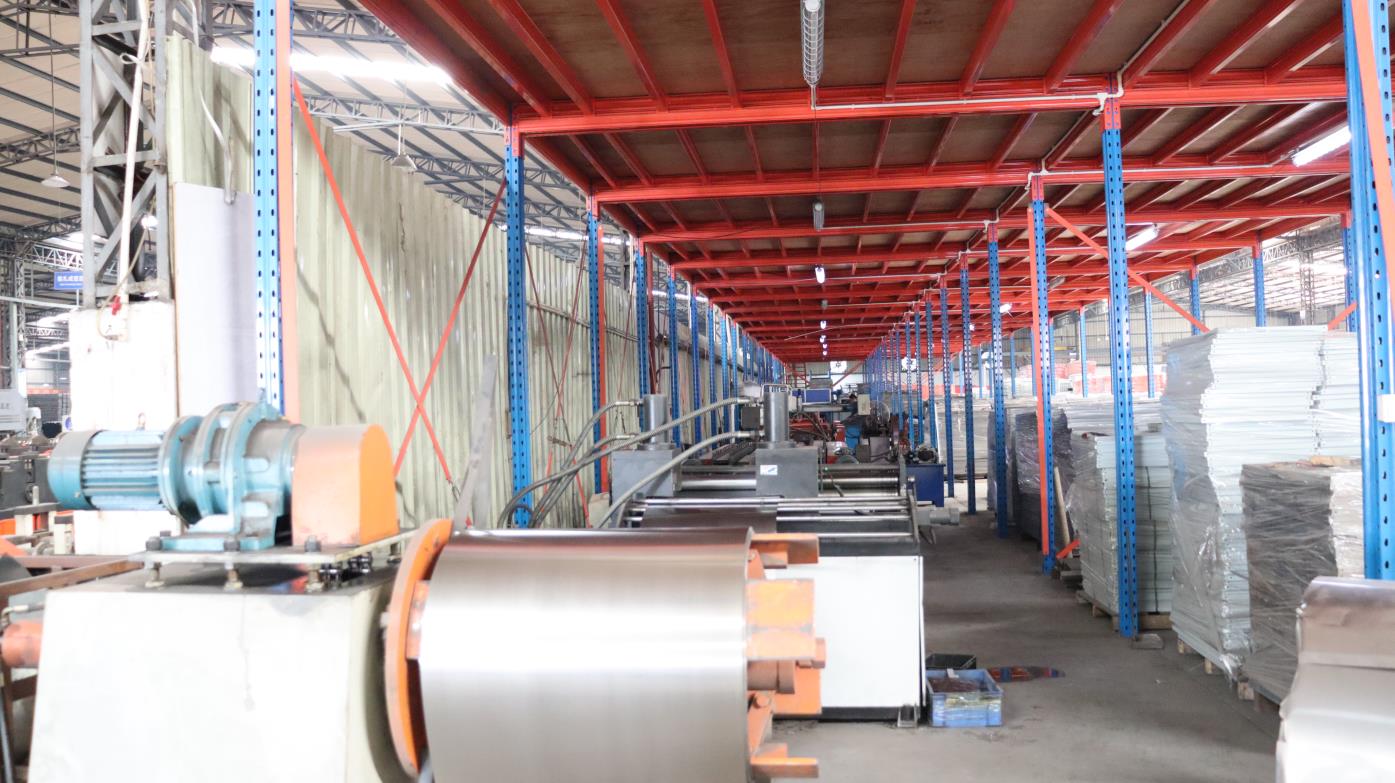
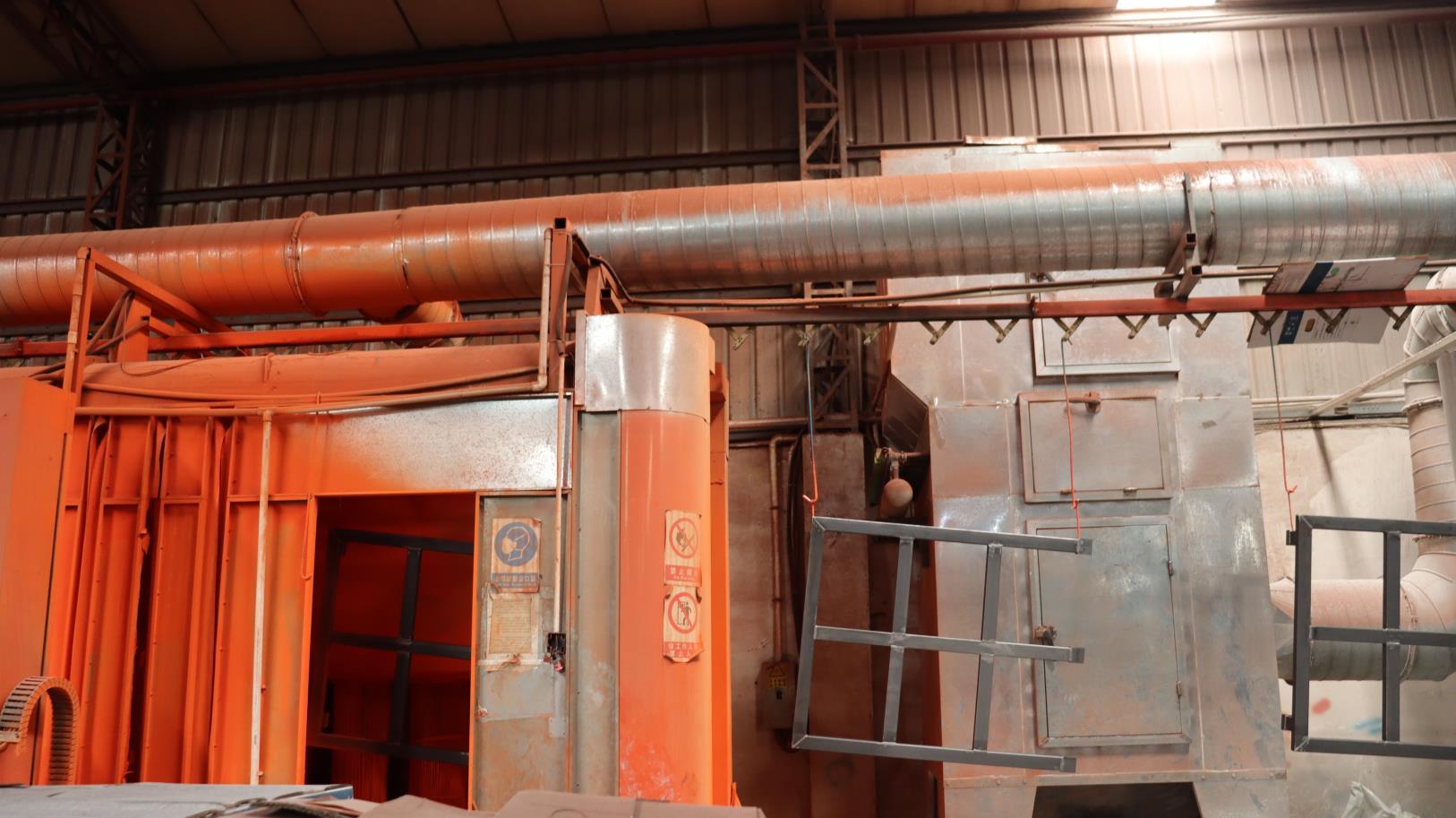
Different heavy manufacturing sectors exhibit drastically varied operational workflows, spatial constraints, and safety requirements. Shenzhen Lijin customizes structural mold storage architectures based on targeted deployment environments:
Challenge: Ultra-heavy progressive steel dies weighing up to 8,000 kg requiring rapid changeover to maintain lean tack time.
Lijin Solution: Fully motorized drawer-extension mould racks integrated with top-mounted 10-ton electric hoist cranes and heavy-duty structural floor anchors.
Challenge: High-density storage of hundreds of medium-sized multi-cavity molds in ISO Cleanroom-class environments.
Lijin Solution: Stainless-steel clad or anti-static epoxy powder-coated 100% full-slide drawer racks with smooth micro-bearing guide tracks and oil-free nylon rollers.
Challenge: Storage of hot dies exposed to residual lubricants, elevated temperatures, and ambient humidity.
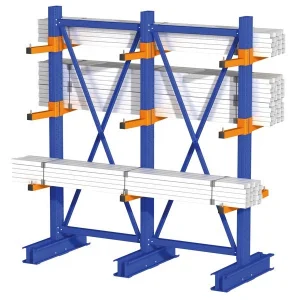
Lijin Solution: Hot-dip galvanized cantilever mold racks combined with heavy perforated steel decks designed for optimal ventilation and oil drainage.
When engineering a bespoke mould rack system, selecting the proper drawer extension mechanism is critical for balancing load capacity with floor space efficiency:
Expert insights on load ratings, structural engineering standards, installation safety, and factory customization capabilities.
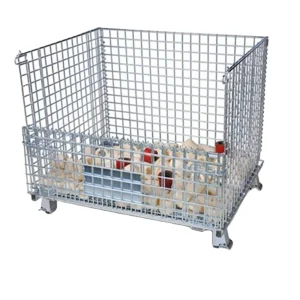
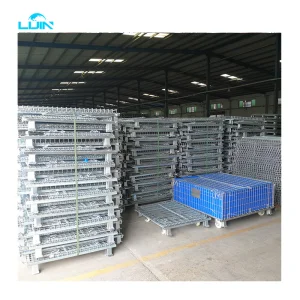
Explore our complete range of heavy-duty mezzanine floors, cantilever racks, wire containers, and custom steel shelving systems.
 Lijin Racking