Engineered to maximize warehouse floor utilization in high-value real estate sectors throughout Geneva and the surrounding industrial zones.
A comprehensive analysis of high-density logistics optimization, engineering standards, and supply chain efficiencies in Western Europe.
The Canton of Geneva, globally recognized as a premier hub for luxury watch manufacturing, high-value biotechnology, pharmaceuticals, and international trade, operates within a unique real estate constraint. Land availability is highly restricted, and the cost per square meter of industrial land is among the highest in Europe. Consequently, third-party logistics providers (3PLs) and manufacturers operating in zones like Plan-les-Ouates, Meyrin, and Zimeysa cannot afford spatial inefficiency.
Furthermore, Swiss building codes place stringent guidelines on warehouse heights and environmental impact. Gravity racking systems—also known as live pallet flow systems—provide a highly effective solution. By utilizing gravity instead of electrical energy to transport pallets down roller lanes, Swiss enterprises can drastically minimize carbon footprints while achieving maximum density. The First-In, First-Out (FIFO) configuration aligns perfectly with the batch-controlled operations characteristic of Geneva's biomedical and watchmaking industries.
Globally, supply chain managers face double-edged pressure: minimizing capital and operational expenditures while hitting net-zero ESG (Environmental, Social, and Governance) targets. Traditional selective pallet racking, while flexible, demands vast aisle space, requiring large fleets of material handling equipment (such as reach trucks) and constant energy usage. Modern logistics hubs are migrating towards high-density dynamic storage configurations.
Under European FEM (Fédération Européenne de la Manutention) 10.2.02 and EN 15512 structural design standards, gravity systems must be engineered to withstand rigorous daily loading cycles, high seismic activity levels (particularly relevant to Swiss SIA 261 standards for Alpine structural safety), and dynamic impact from heavy forklift interactions. Global supply chain strategies now view racking systems not as passive steel shelves, but as engineered structural assets that directly drive throughput velocity and operational safety.
A powerhouse of precision engineering, state-of-the-art machinery, and certified QC protocols based in Shenzhen, China.
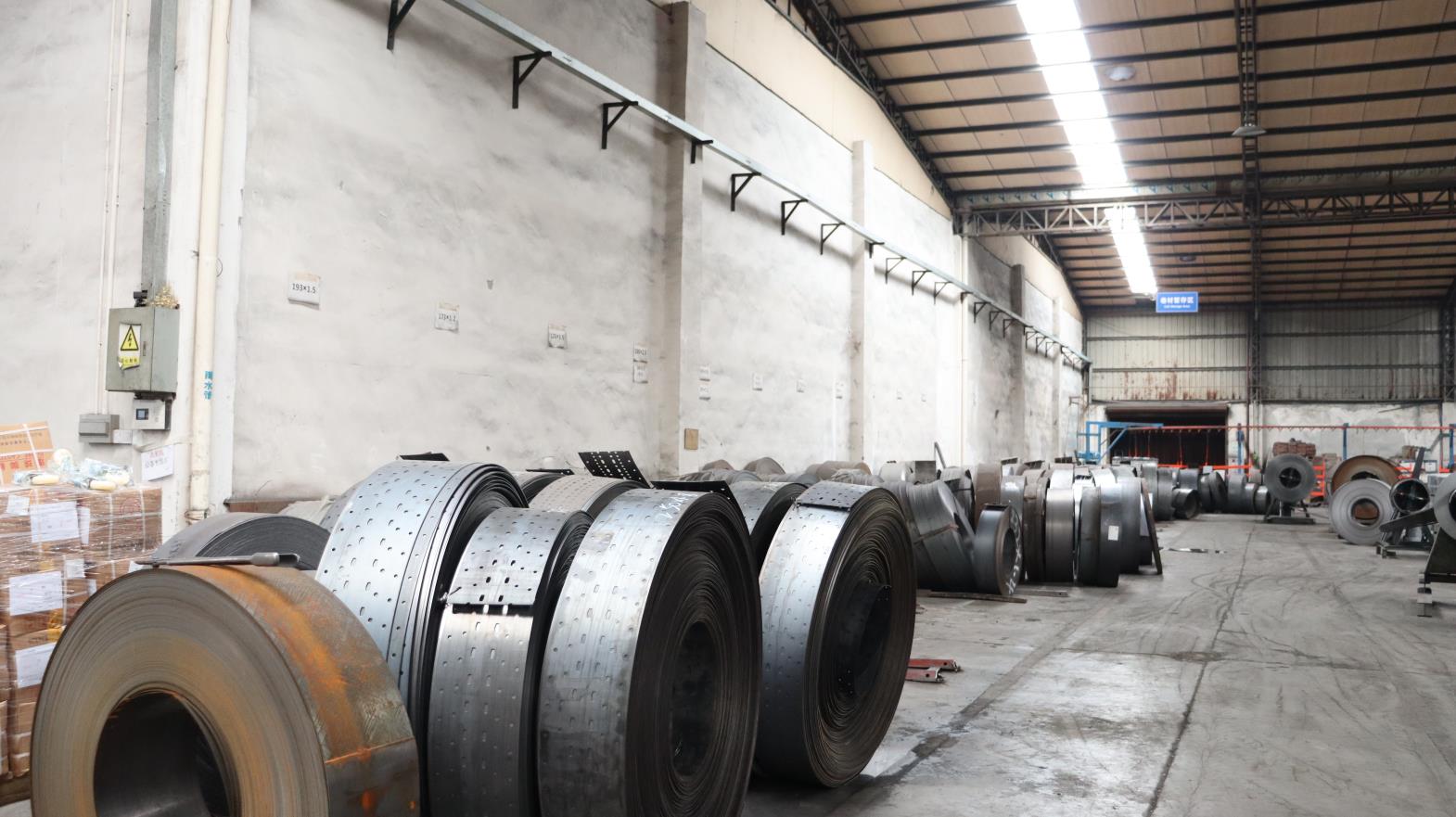
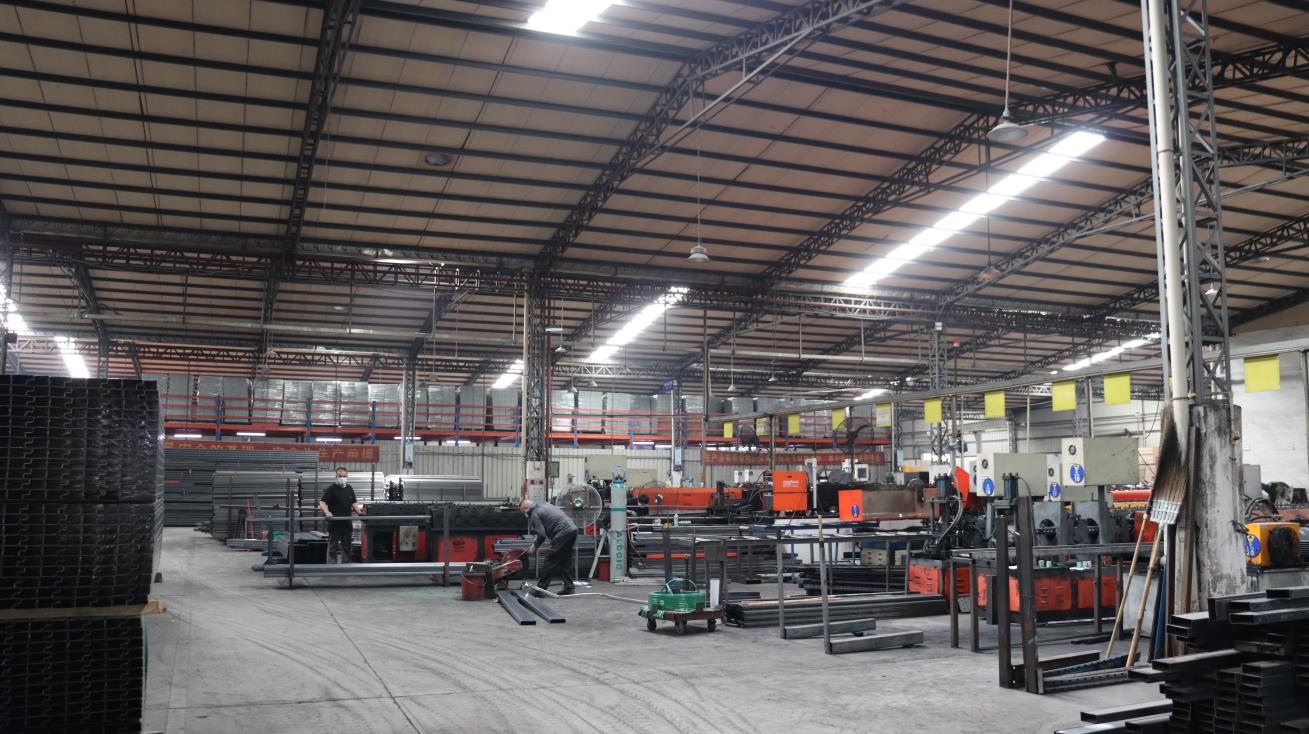
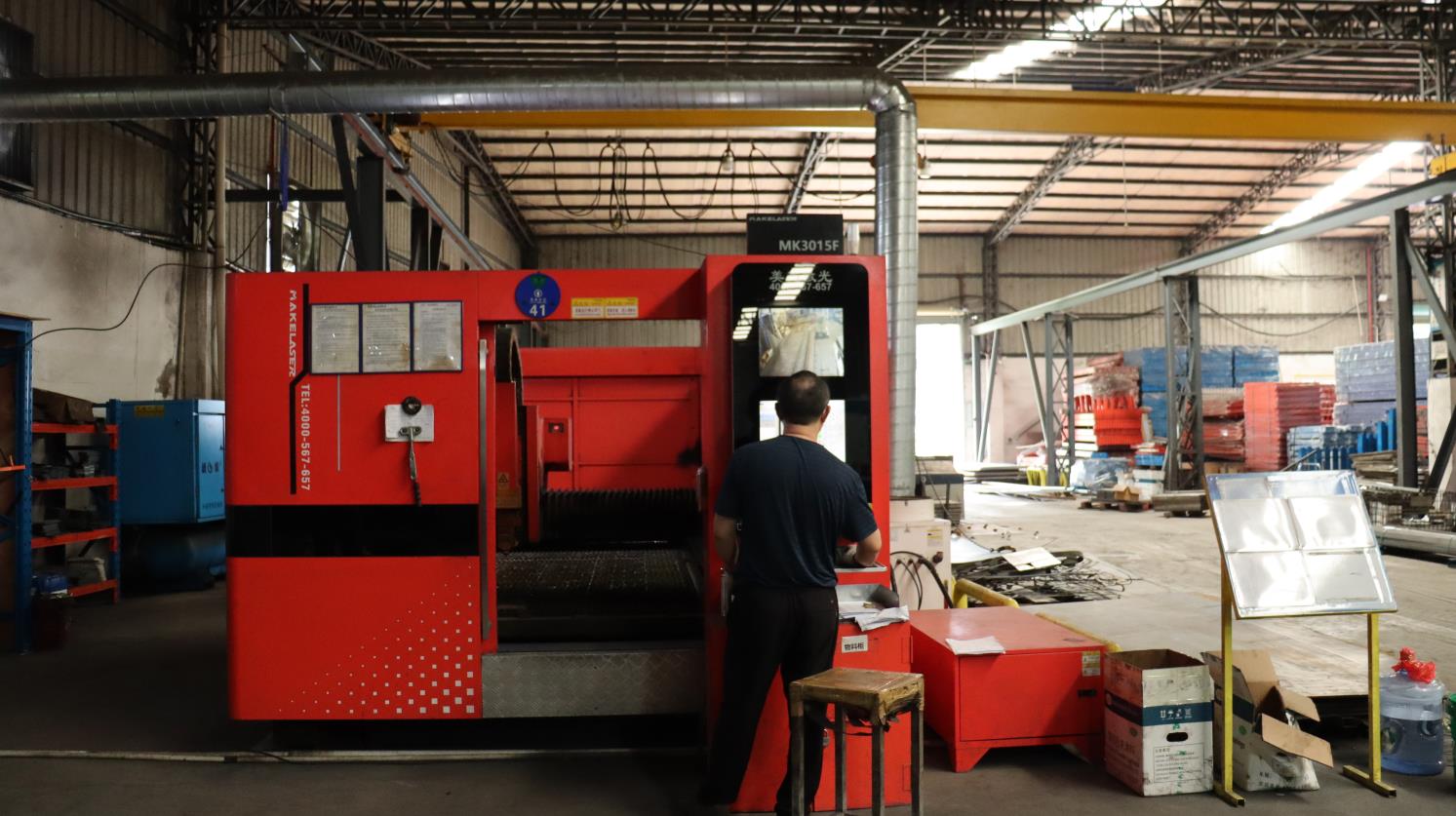
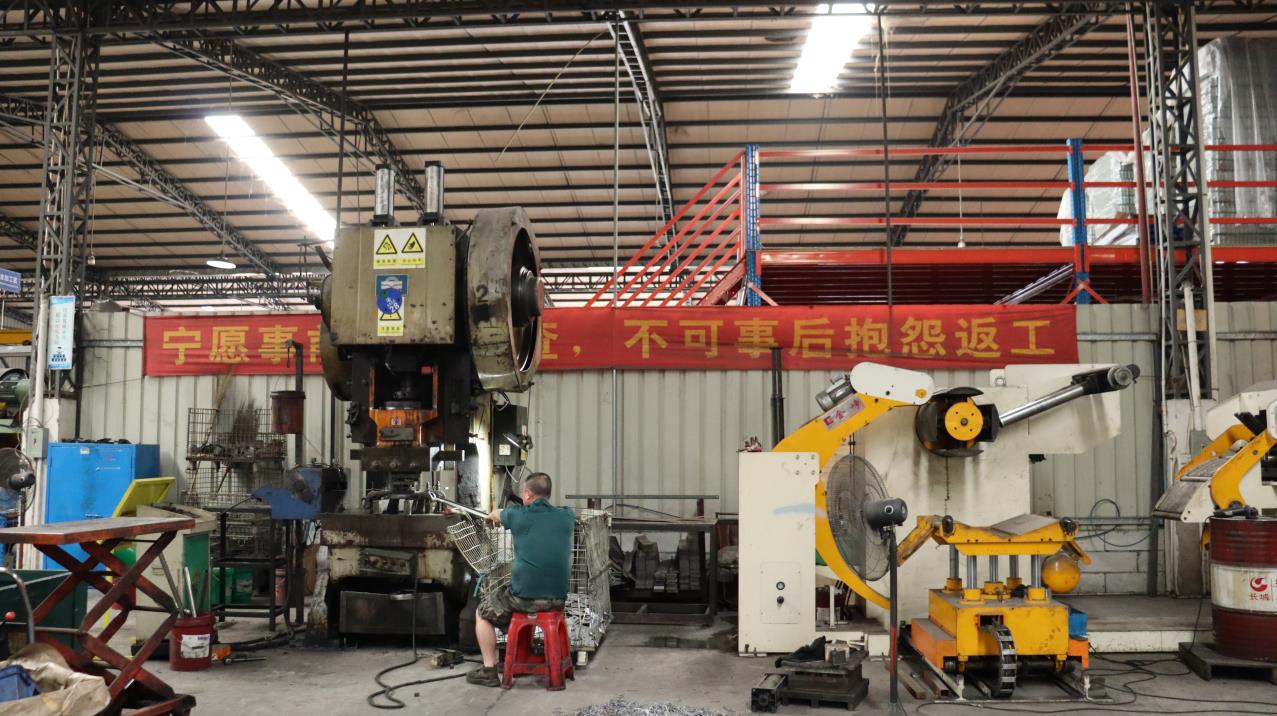
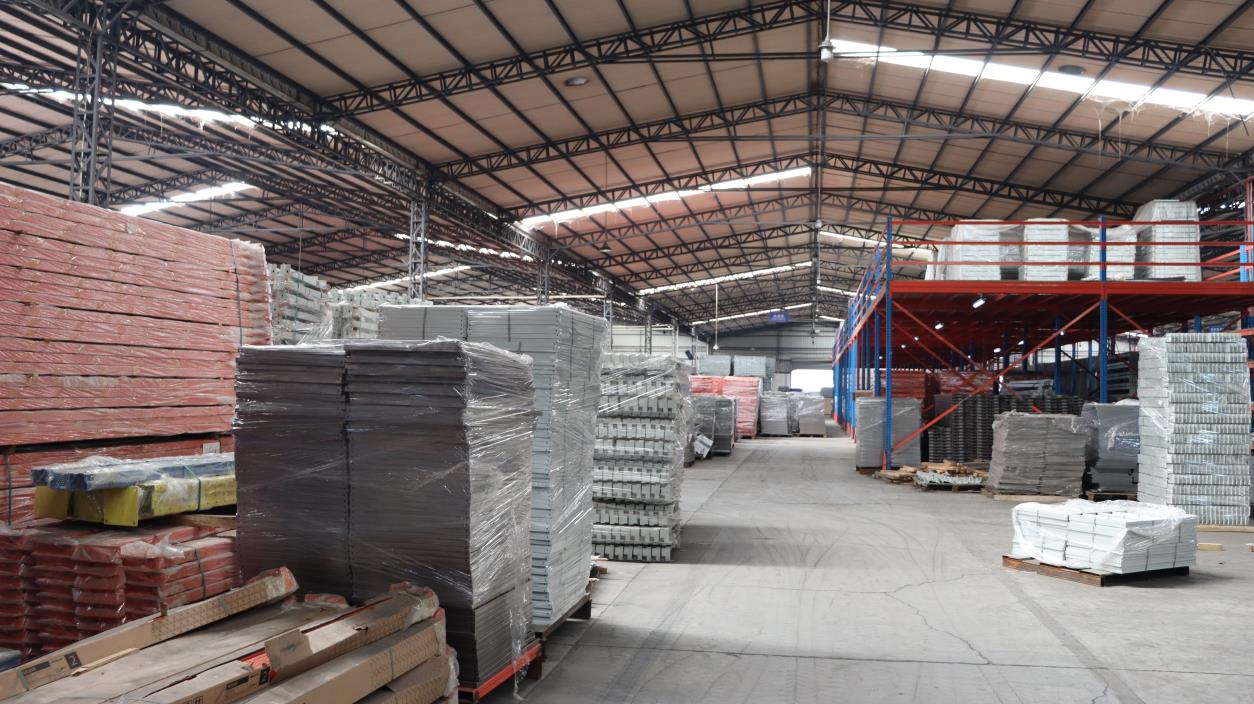
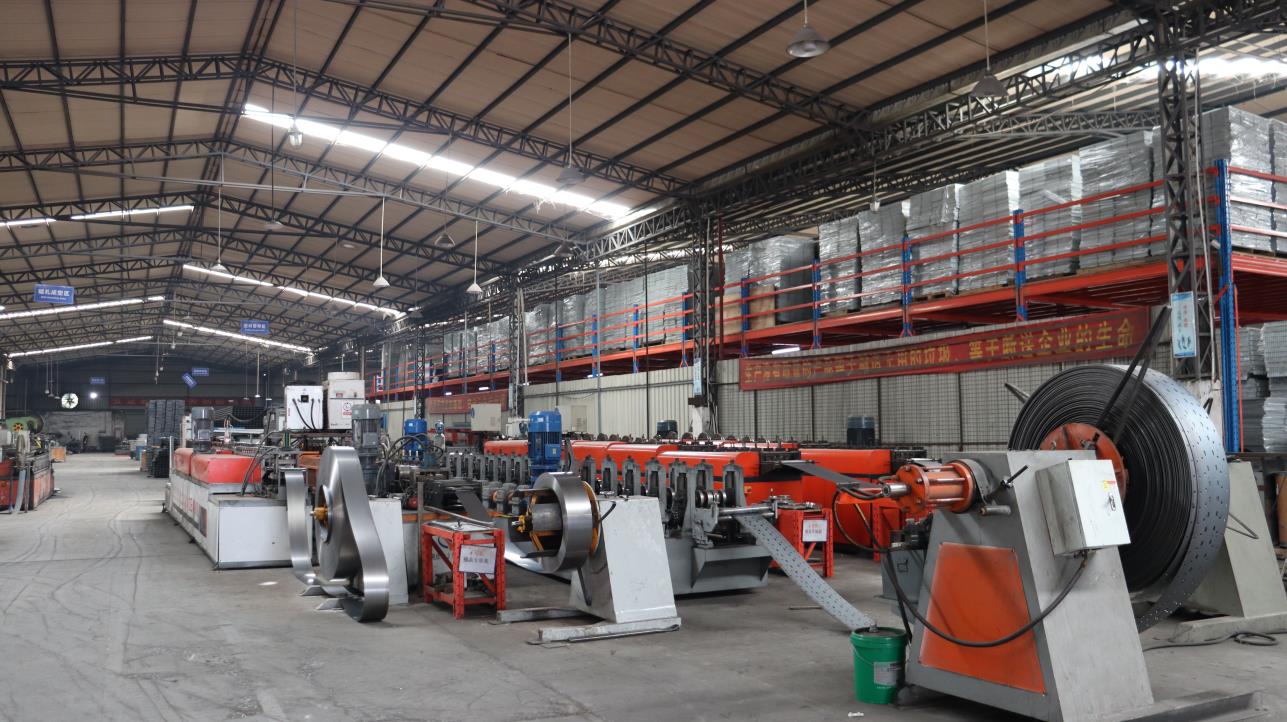
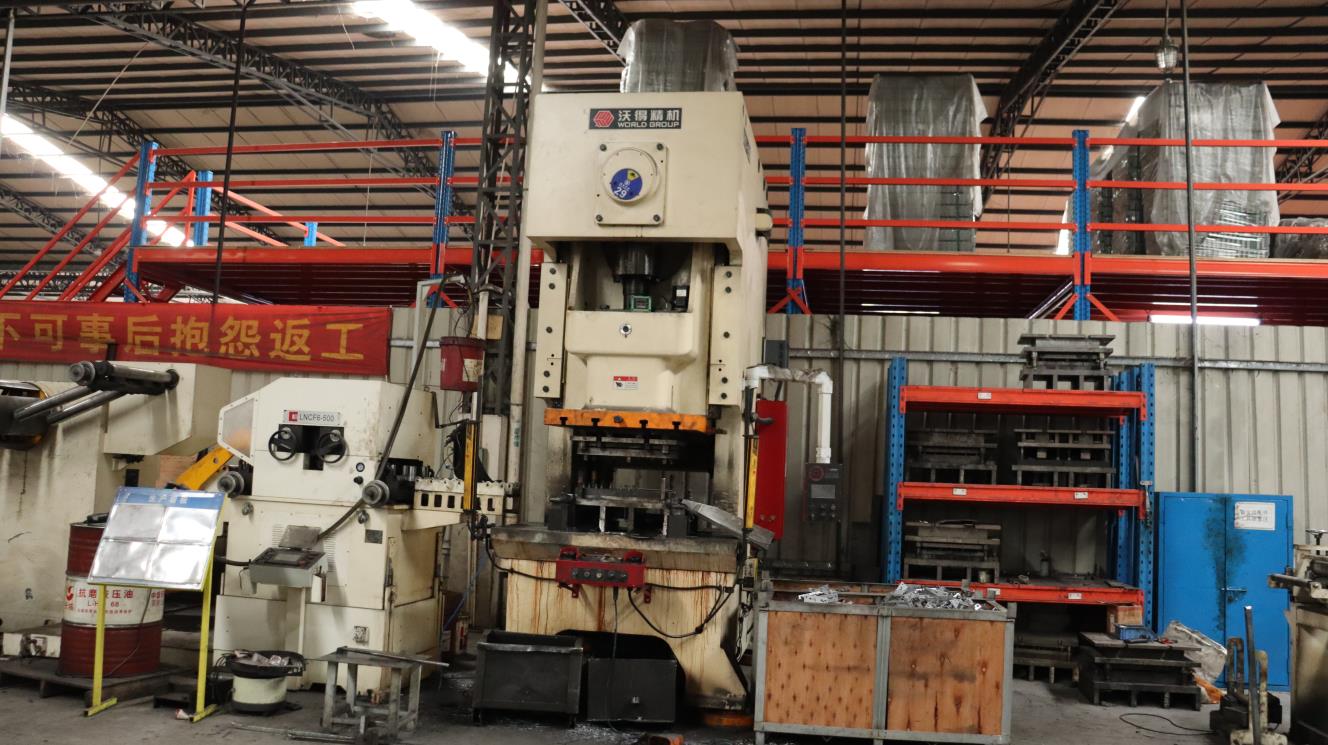
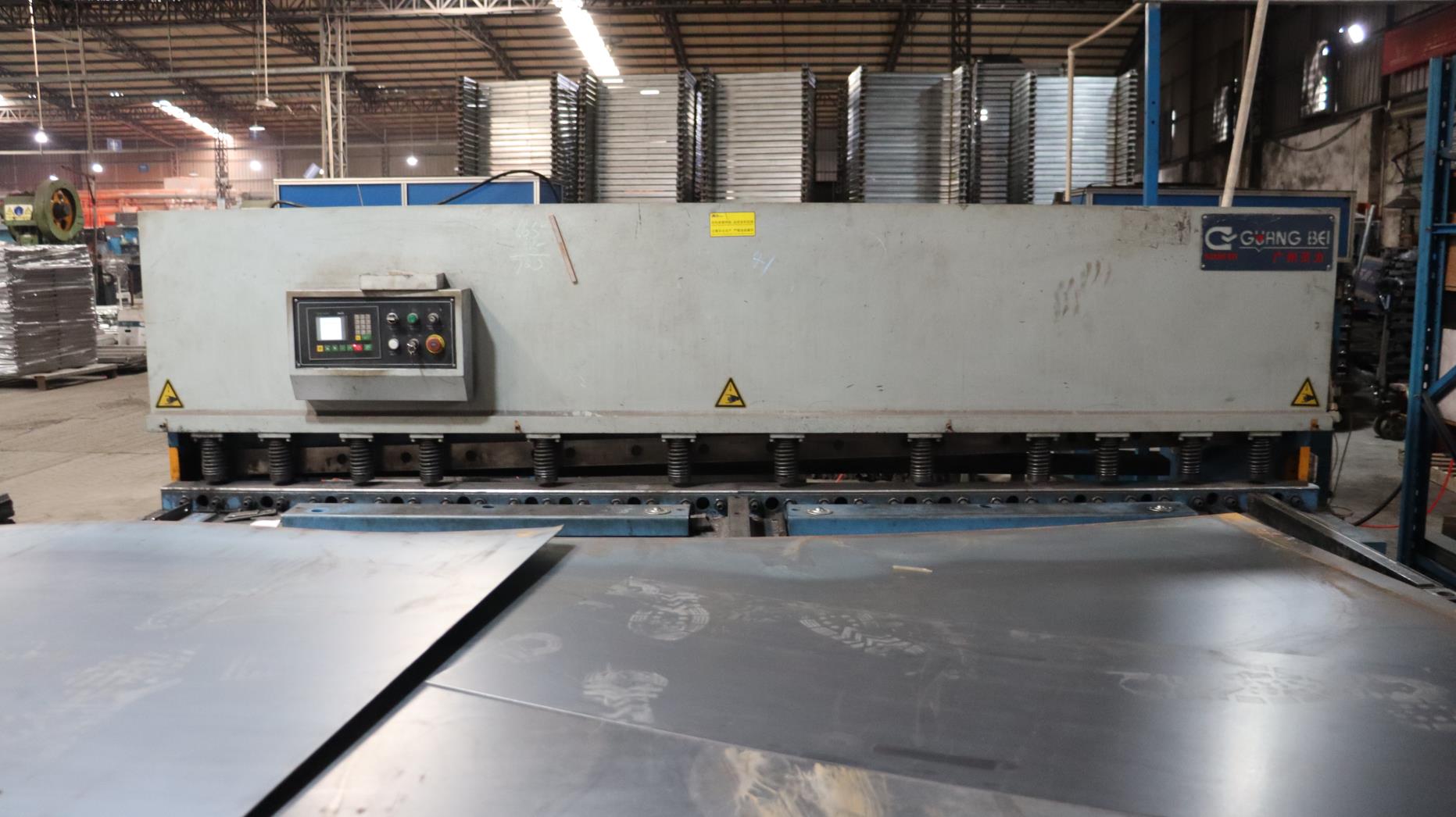
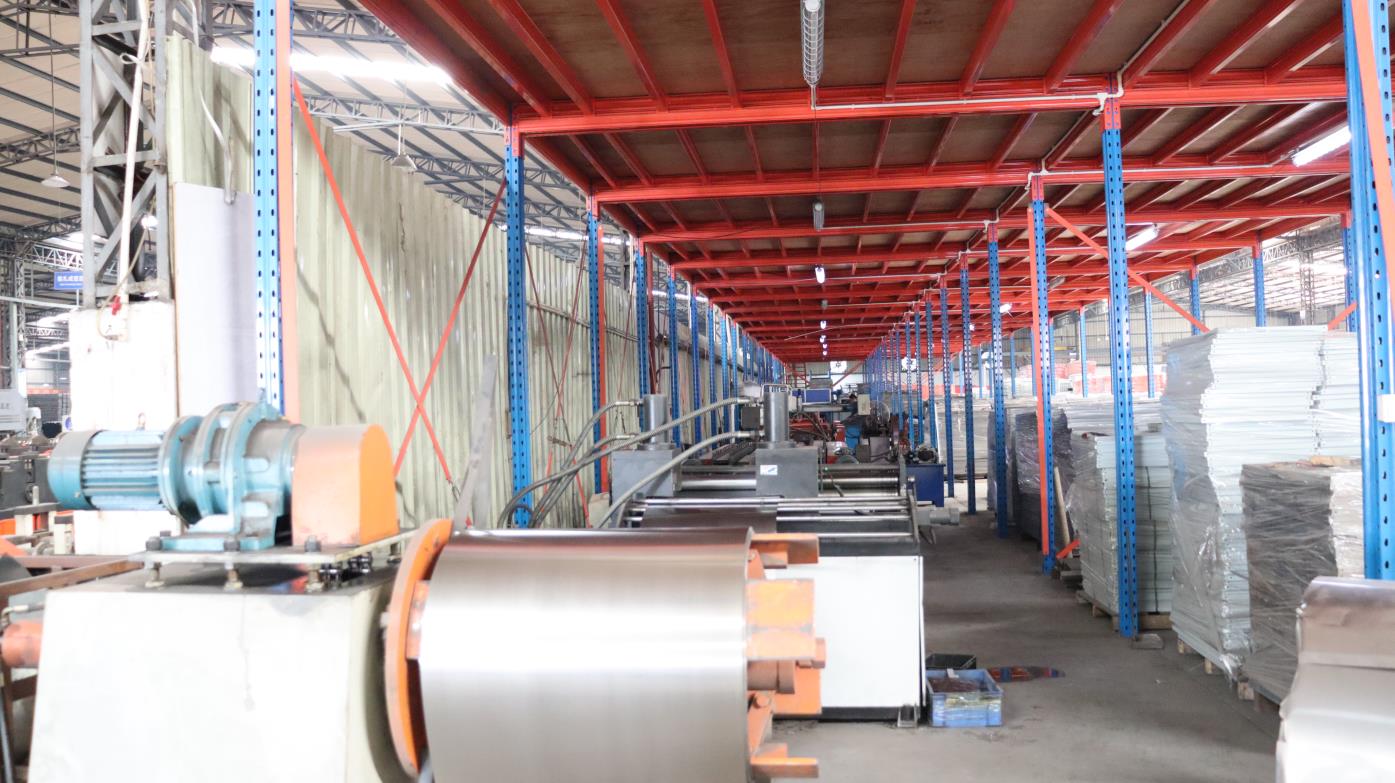
Established in 2015, Shenzhen Lijin Storage Equipment Co., Ltd. has developed into a trusted global supply chain partner with over 8 years of direct export experience. Our operations leverage Shenzhen’s world-class logistical infrastructure and advanced industrial ecosystem to deliver premium storage solutions to Western Europe and international markets. Our last fiscal year closed with a global turnover of USD 22 million, proving the market's trust in our solutions.
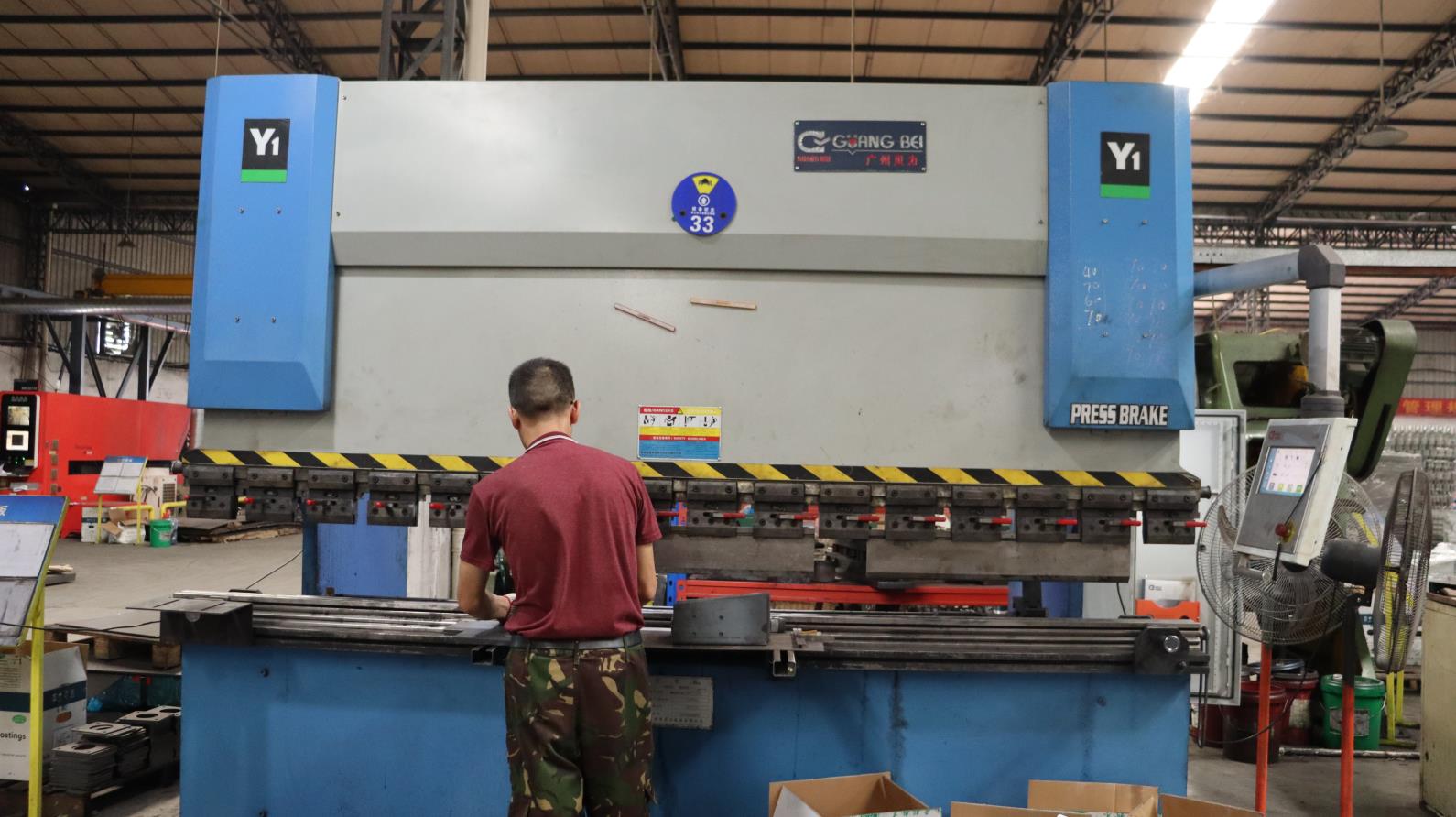
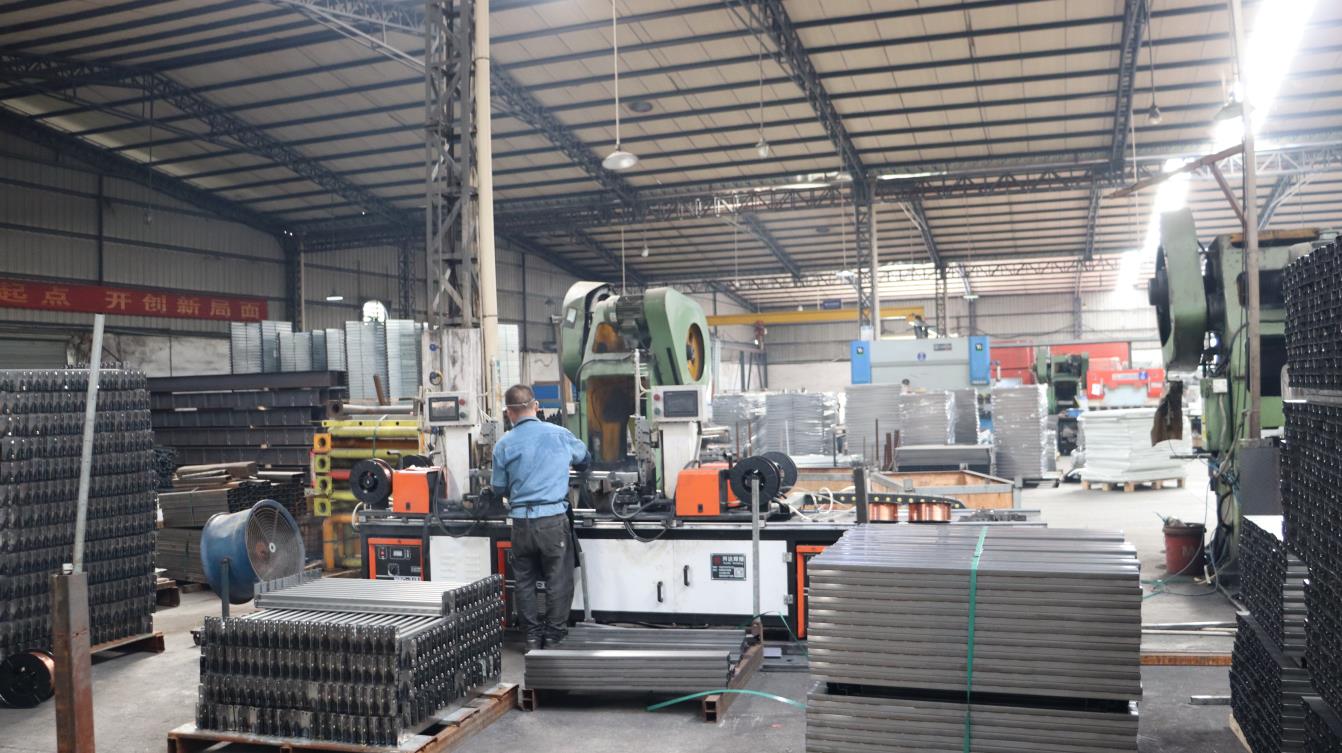
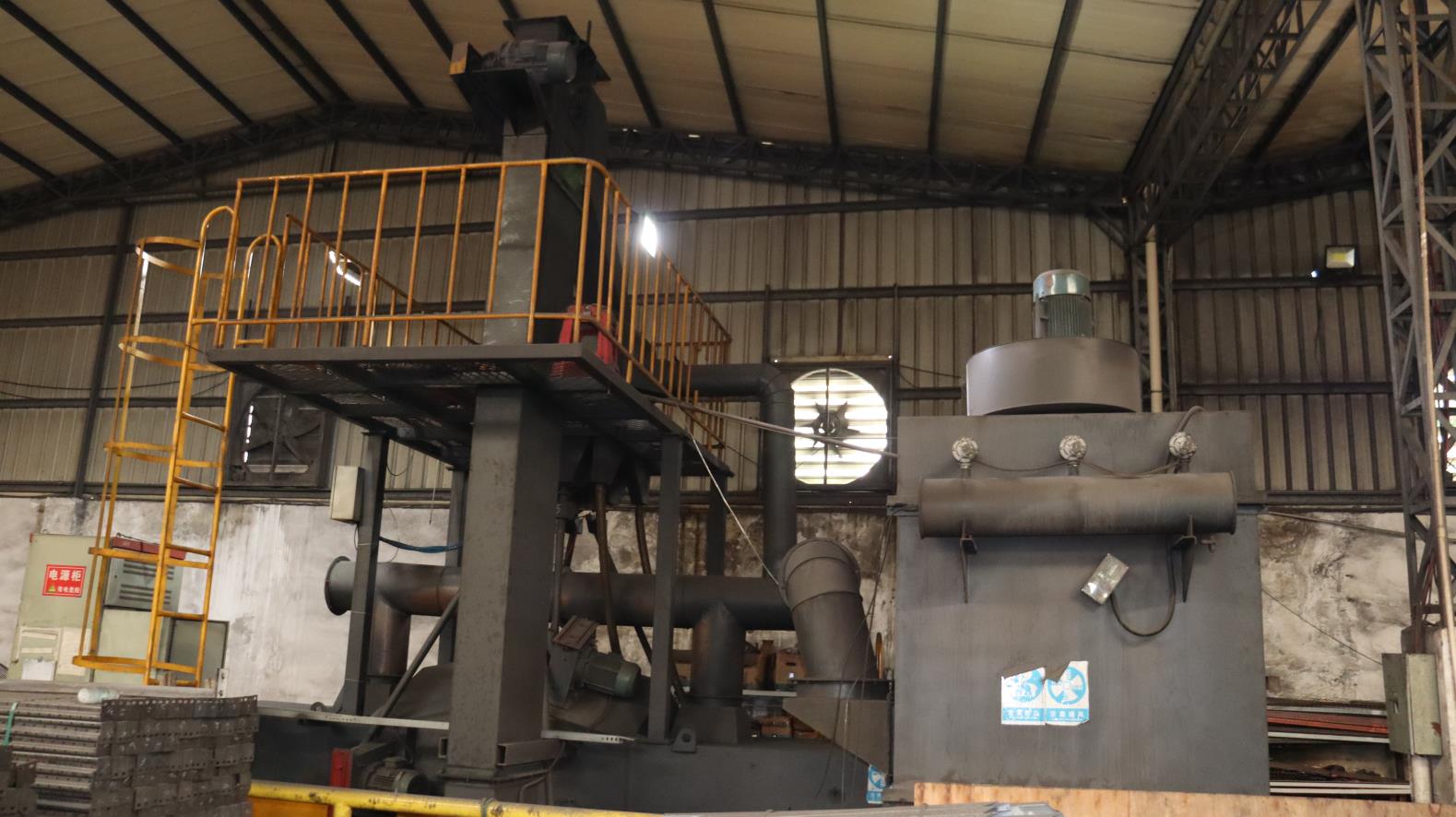
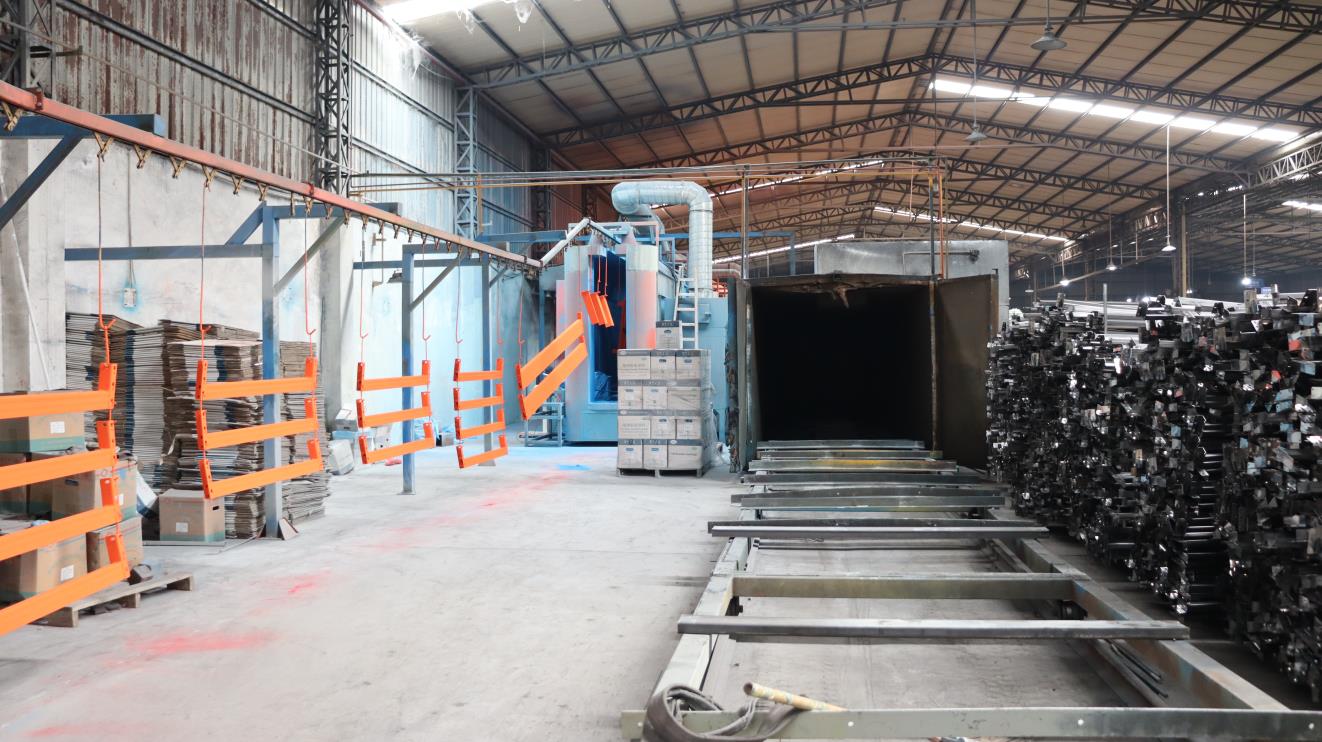
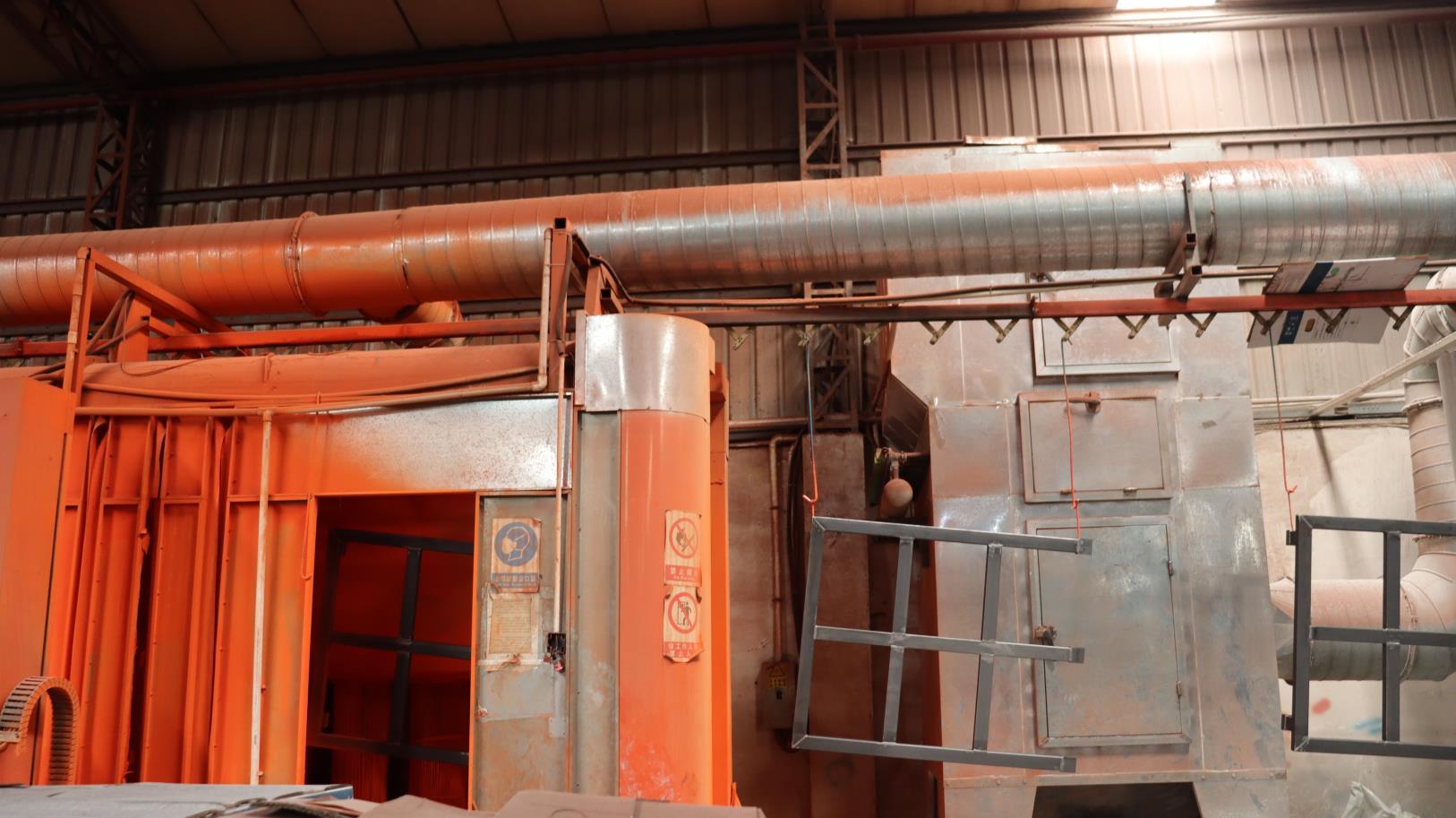
By bypassing third-party trading intermediaries, Shenzhen Lijin controls the entire value chain—from structural steel procurement to surface finishing. We enforce a rigorous, multi-stage quality control system. Our dedicated team of 35 QC inspectors monitors every phase of production, utilizing ultrasonic non-destructive testing for welds, automated laser dimensional checks, and heavy-load endurance testing rigs. We ensure that our systems strictly comply with European CE markings and global safety mandates.
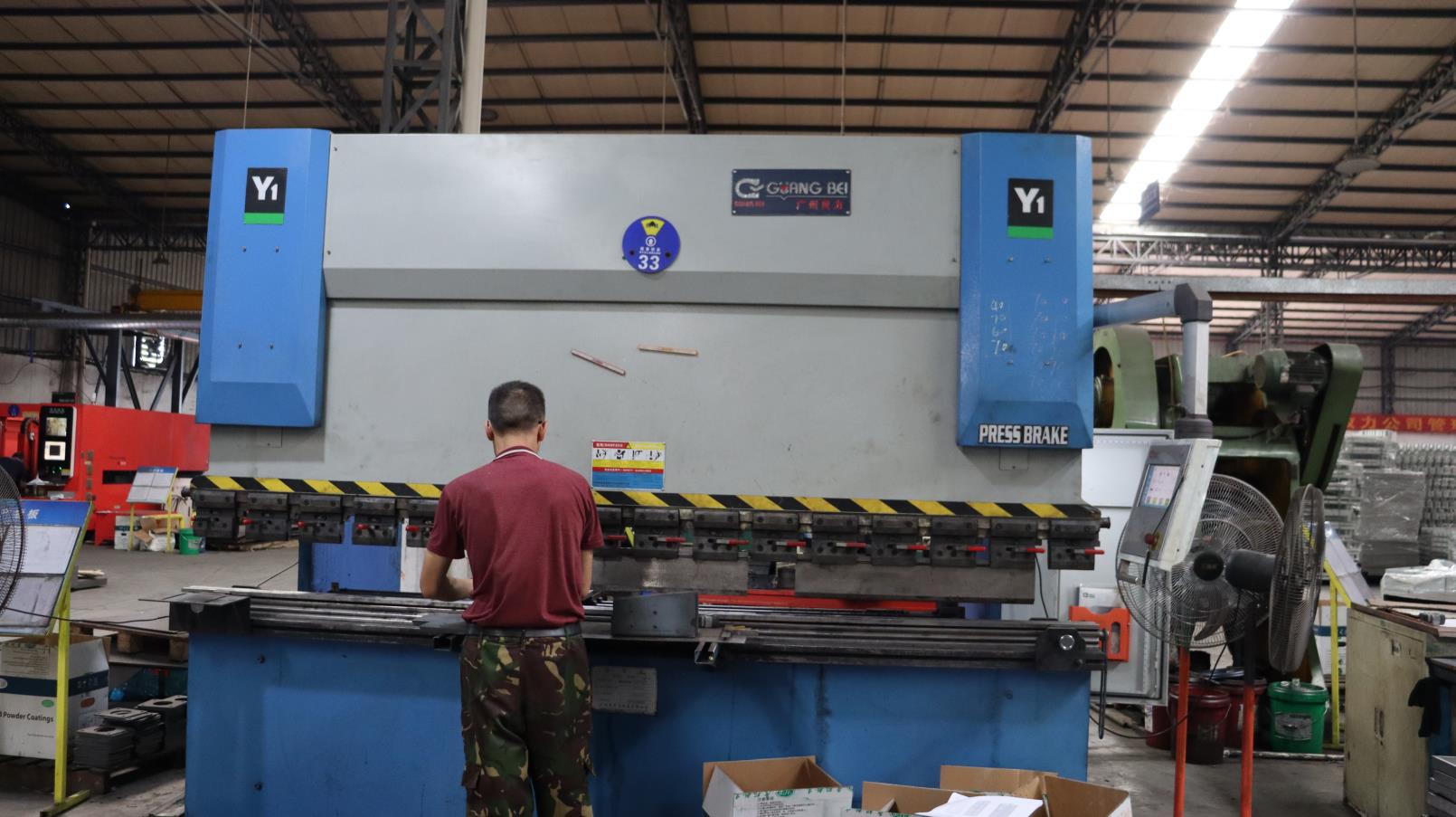
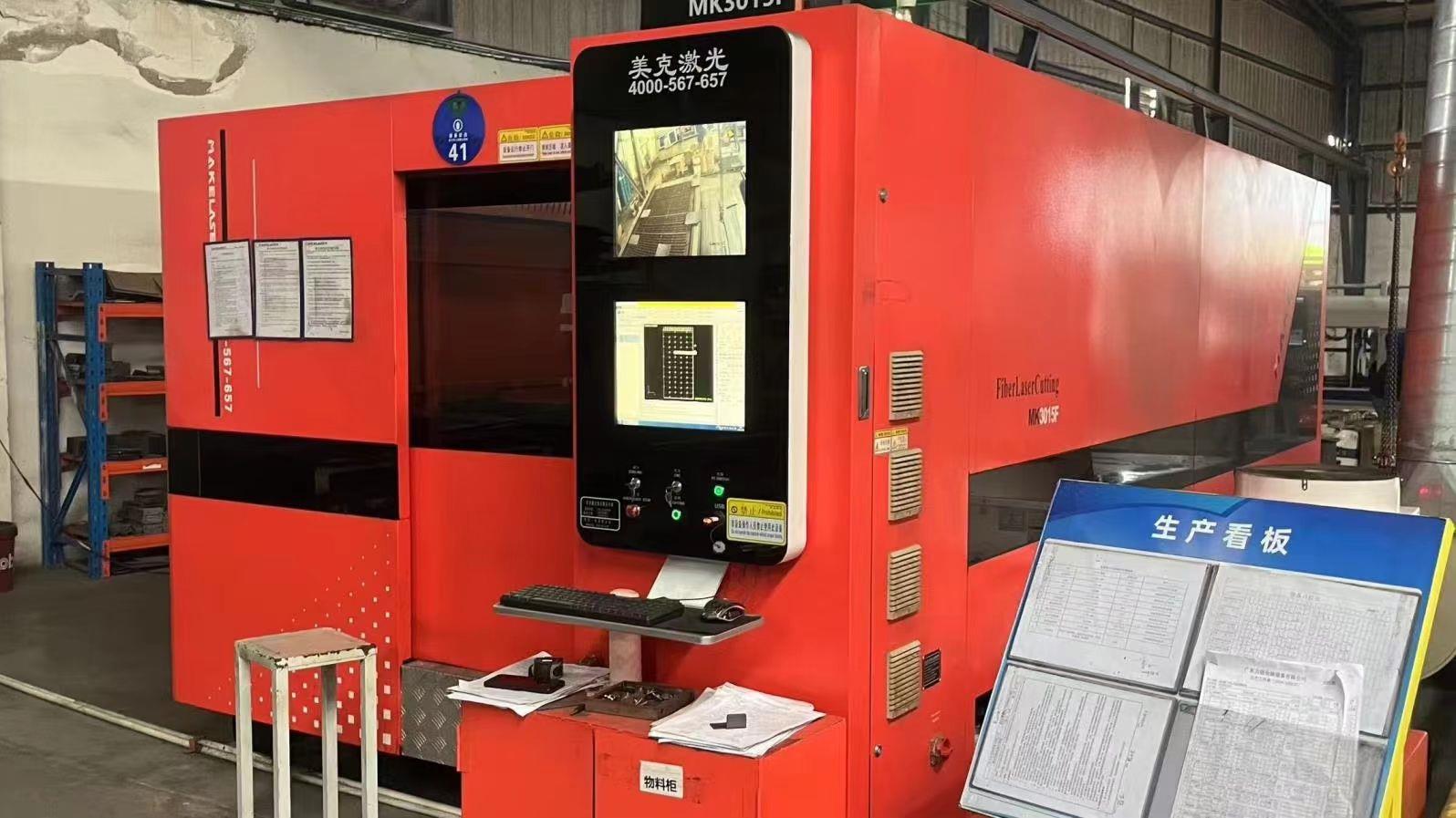
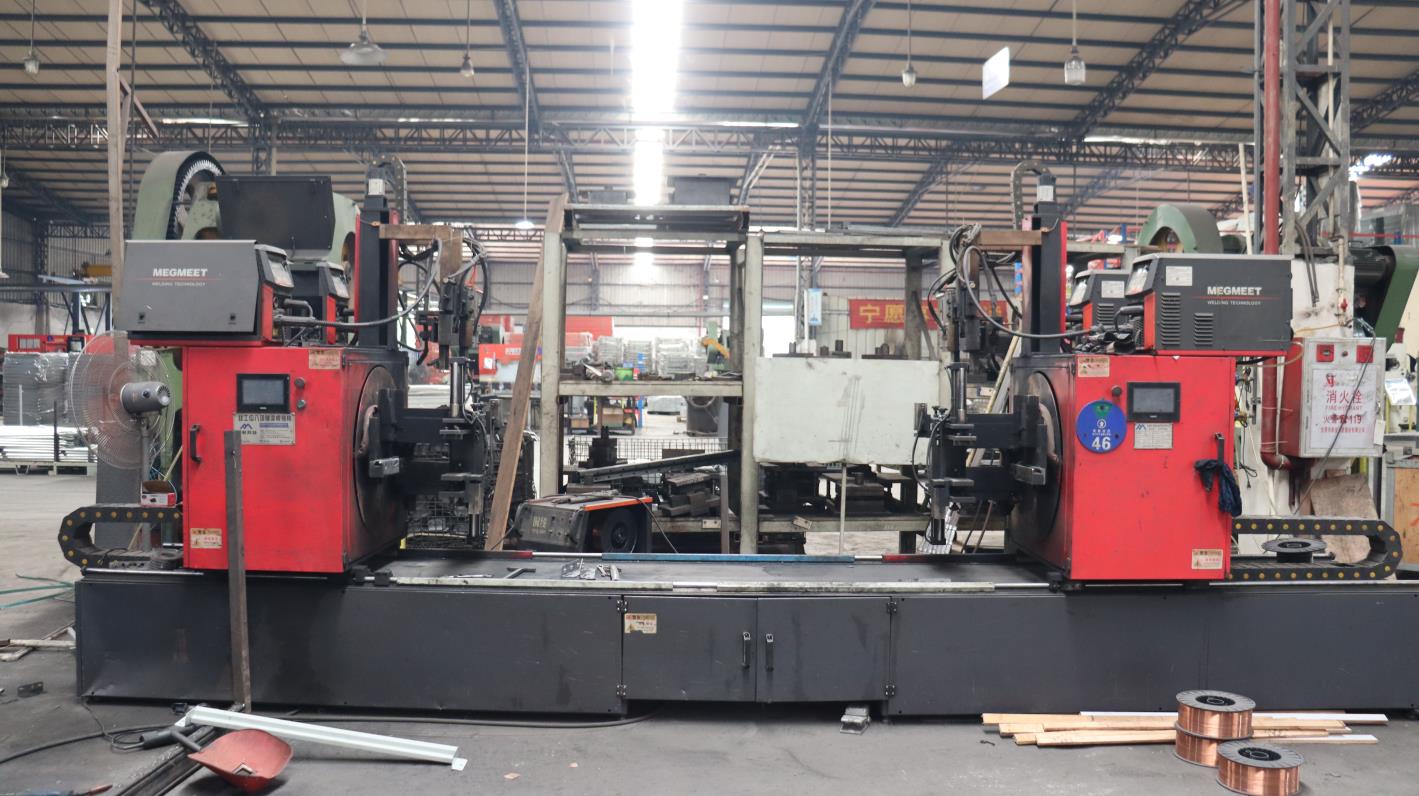
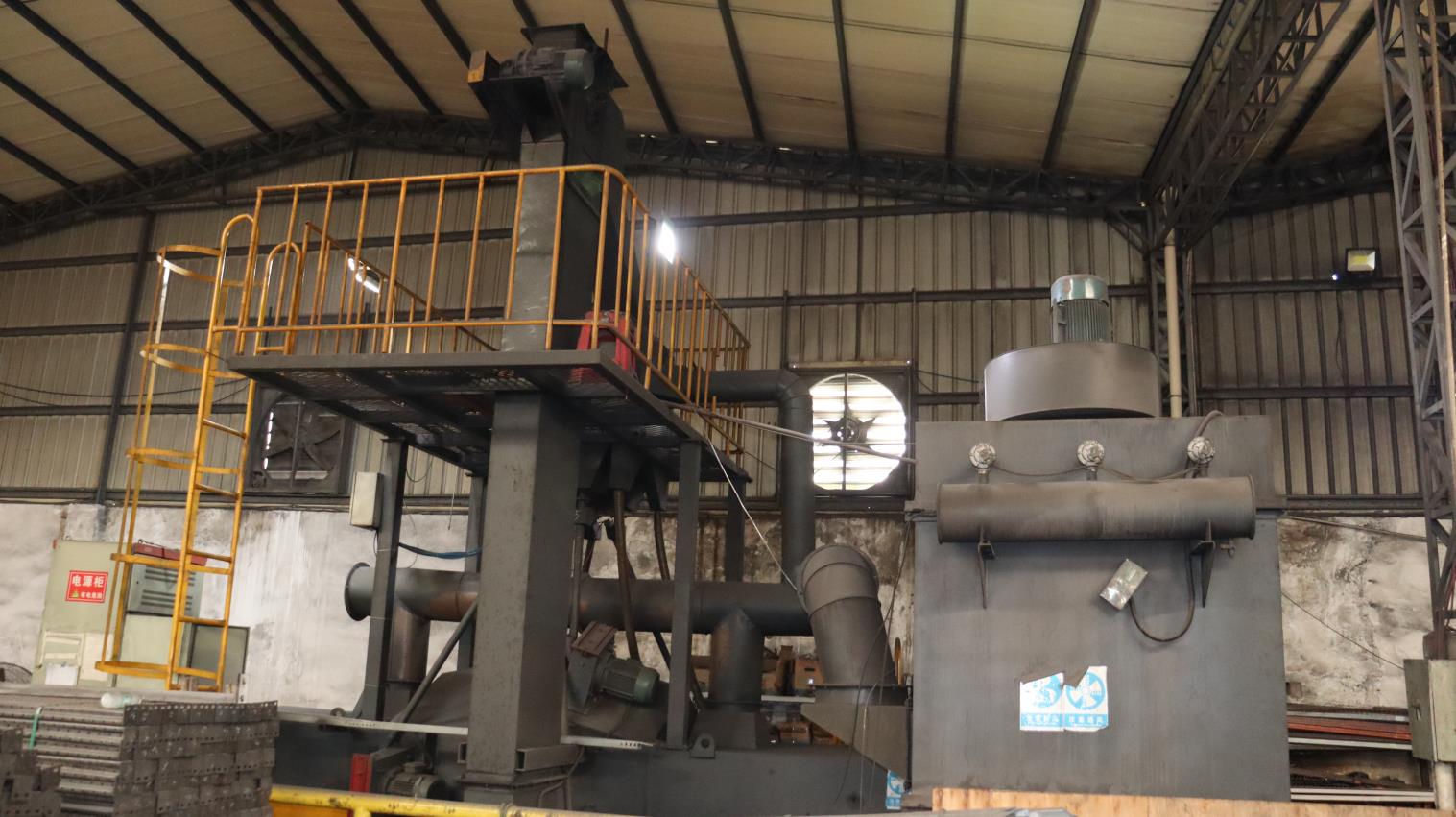
Understanding local supply chain demands and matching them with dynamic structural storage solutions.
In biomedical sectors around Lake Geneva, temperature-controlled environment costs are immense. By condensing aisles using Gravity Flow systems, cold room operations reduce volume cooling costs by up to 40% while preserving strict FIFO pharmaceutical compliance.
High-value component storage requires micro-tolerance alignment and automated, gentle product movement. Our racking rollers feature integrated deceleration brakes to ensure zero-shock transit for high-value watches and movement arrays.
High-velocity distribution grids require seamless, trouble-free structural storage. By designing custom inclines (3% to 4%) and using premium-certified structural steel, we prevent standard lane blocks and pallet hang-ups.
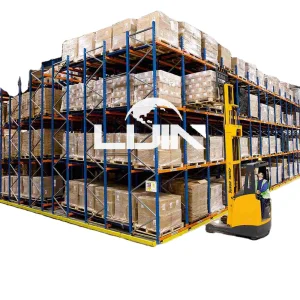
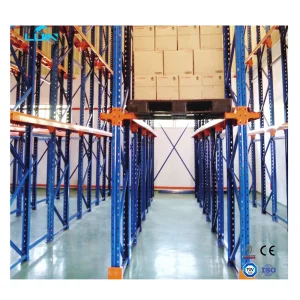
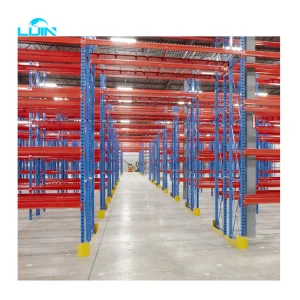
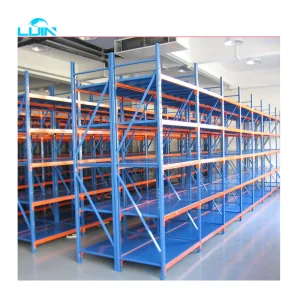
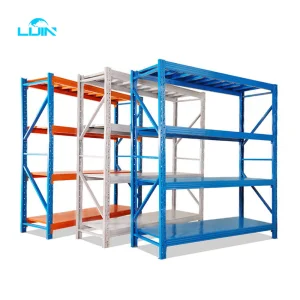
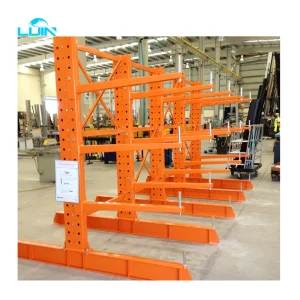
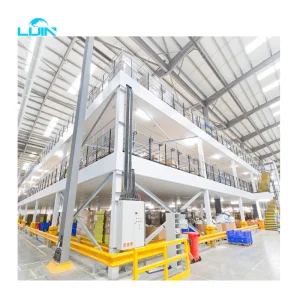
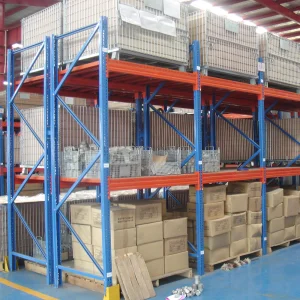
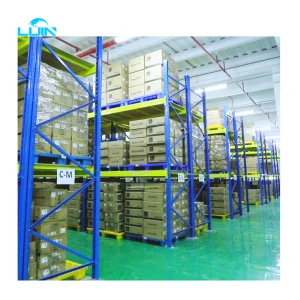
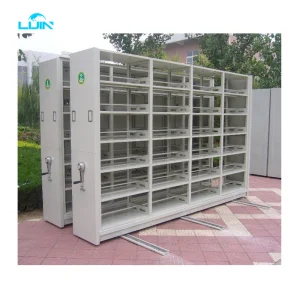
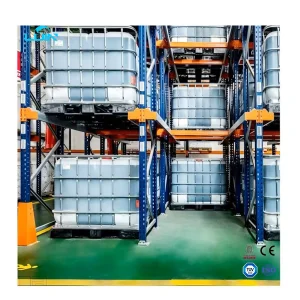
Explore our comprehensive industrial catalog, designed to meet European certification codes and diverse cargo configurations.
Direct technical explanations addressing structural mechanics, international delivery, and installation safety profiles.
 Lijin Racking